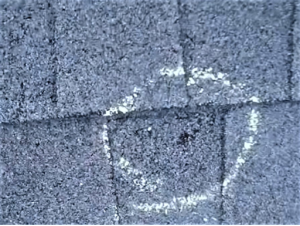
Hail damage in Canton, GA looks different on every roof. A storm that leaves light marks on a metal roof can damage shingles on the house next door. That is why the first step is to identify the roofing material and assess how the impacts affected it.
If you think hail hit your home, call Rise Residential Roofing at (678) 772-6995 to discuss an inspection. If you are still trying to figure out whether your roof was damaged, our guide on hail damage roof Canton, GA walks you through the warning signs.
Hail Is a Risk in Cherokee County
Canton homeowners should take hail seriously even when a storm passes quickly. Damage can vary between neighborhoods and between different slopes of the same roof.
Hail does not always cause an immediate leak. Impacts may damage shingles, metal components or flashing without leaving an opening that is easy to see from the ground. Prompt assessment helps distinguish storm-related damage from ordinary wear and identify any repairs needed before more rain arrives.
How Hail Affects Asphalt Shingles
Asphalt shingles can be damaged in several ways. The result depends on the product, its condition, the roof assembly and the impact.
Granule loss. The small mineral granules on shingles help protect the asphalt from sunlight. Hail can displace granules, sometimes exposing or damaging the material beneath. Granule loss also occurs through aging and other causes, so it should be evaluated in context.
Bruising and cracks. An impact can fracture the reinforcing mat or damage the shingle surface. Some damage is difficult to identify without close assessment. A mark or soft area alone does not establish that hail caused a functional defect.
Seal condition. A post-storm inspection should also assess lifted shingles and failed seal strips. Wind, aging, installation and other conditions can affect these seals, so the cause should not be assumed.
Roof age and condition. Weathered or brittle shingles may respond differently from newer products. Product formulation, supporting materials and exposure also influence damage.
If you are replacing your roof, ask about impact-resistant shingles and their published ratings. A Class 4 rating under UL 2218 indicates performance in a particular laboratory impact test. It does not make a shingle hail-proof, and products with the same classification can perform differently in realistic hail testing. Ask your insurer whether the exact product qualifies for any discount.
How Hail Affects Metal Roofs
Metal roofing can resist hail impacts, but its performance depends on panel thickness, profile, support, material and condition. An assessment should distinguish appearance changes from damage affecting water protection.
Dents. Hail can leave permanent indentations. Some affect appearance without compromising the roof’s function. Dents at seams, flashings or drainage areas may need closer evaluation.
Damaged finish. Impacts can damage a protective finish. Whether corrosion develops depends on the metal, underlying coatings, exposure and extent of the damage. Repairs should follow the panel manufacturer’s guidance.
Seams and fasteners. Inspect panel joints, flashing and fastener connections for distortion or damage. A leak or loose connection found after a storm still needs assessment to determine its cause.
Both exposed-fastener and standing-seam roofs need system-specific evaluation. The fastener arrangement alone does not determine whether a roof has suffered hail damage.
Hail Size and What It Can Do
Hail size helps describe a storm, but it does not reliably predict damage on its own. Hardness, wind, impact angle, roof condition and supporting materials all matter.
| Hail Diameter | Approximate Comparison | What to Assess |
|---|---|---|
| Under 1 inch | Smaller than a quarter | Look for displaced granules, damaged vulnerable components and pre-existing deterioration. Small hail does not automatically mean no damage. |
| About 1 inch | Quarter | Assess shingles, flashing, vents and metal surfaces for impact damage without assuming every mark affects performance. |
| About 1.75 inches | Golf ball | Check for fractured shingles, damaged finishes, dents and distortion at roof details. |
| 2 inches or larger | Hen egg size or larger | Evaluate the full roof assembly and exposed components for significant damage, including possible openings or damaged connections. |
Wind can change impact speed and direction, leaving some slopes more exposed than others.
Do not overlook vents, flashing, drip edge and gutters. Dents on these components can help document impact patterns, but they do not establish the exact hail size or prove that the roof covering is damaged.
How to Document Hail Damage for Insurance
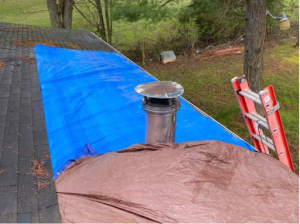
Clear records help document conditions after a storm. When it is safe, save:
- The date and approximate time of the storm
- Photos of hailstones next to a coin or ruler
- Ground-level photos of damaged gutters, vehicles and outdoor items
- Photos of interior leaks, ceiling stains or other accessible damage
- Receipts for temporary protection and necessary cleanup
Stay off the roof. Ask a qualified roofer about documenting accessible roof slopes, impact locations and damaged components. Confirm whether photos, measurements and written findings are included in the assessment.
Contact your insurer promptly to ask about reporting deadlines, inspection arrangements and temporary protective work. Do not delay necessary protection against further damage, but discuss permanent repairs with the insurer before work begins.
Read your policy and endorsements for cosmetic-damage exclusions, settlement terms and deductibles. A percentage deductible may be based on the dwelling coverage limit, so ask your insurer to explain the dollar amount that applies. Coverage depends on the actual policy and the damage assessment.
Storm Damage Canton, GA: What a Full Repair Should Cover
Hail often comes with strong winds and heavy rain, so the assessment should consider more than impact marks. A repair plan should identify the actual defects and match the work to the existing roof system.
Depending on the findings, the scope may include:
- Localized repair when damage is limited and surrounding materials remain suitable
- Replacement of a roof section or slope when justified by the damage and repair requirements
- Full replacement when widespread damage or overall condition makes localized work impractical
The scope should also address affected underlayment, decking, flashing, drip edge, vents, pipe boots, ridge caps and gutters. Roof age alone does not establish the need for replacement.
Ask about material availability and appearance. Older shingles may have faded, and some products are discontinued. The proposal should explain matching limitations and any additional work needed to complete a sound repair.
Get Your Roof Checked by a Local Canton Roofer
If you suspect hail damage in Canton, GA, contact Rise Residential Roofing to discuss an assessment. Ask about the roof materials covered, documentation included and how any recommended repairs will be priced.
Call 678-772-6995 to discuss your roof and inspection availability.
Frequently Asked Questions
1. Does hail damage shingles and metal roofs the same way?
No. Shingles can lose granules or suffer fractures, while metal can dent, experience finish damage or develop damage at joints and details. The extent and significance depend on the roofing product and impact conditions.
2. What size hail can damage a roof?
There is no universal damage threshold. Hail size matters, but so do hardness, wind, impact angle, roof condition and the complete assembly. A professional assessment is more useful than deciding from hail size alone.
3. Will insurance pay for dents on my metal roof?
It depends on your policy, endorsements and the findings. Cosmetic-damage exclusions may apply. Ask the insurer to explain how the policy treats appearance changes and damage affecting the roof’s function.
4. Are impact-resistant shingles worth it in Canton?
They are worth comparing when replacement is needed. Review the exact product’s impact rating, independent performance information, cost and warranty terms. Confirm any insurance discount directly with your insurer.
5. Should I repair part of my roof or replace all of it?
Localized repair may be suitable when damage is limited and surrounding materials are sound. Widespread damage, poor overall condition or repair limitations may support replacement. An assessment should explain the reason for the recommendation.
6. Can a roofer meet with my insurance adjuster?
Ask the roofer whether attendance is available. A meeting can help explain observed roof conditions and a construction estimate, but it does not guarantee coverage or payment. Claim representation and negotiation are separate from roofing documentation and must comply with Georgia law.