Hailstorms can leave behind roofing damage that is not always obvious from the ground. While some homeowners notice dents, missing shingles, or visible impacts immediately, other forms of damage may go unnoticed until leaks or deterioration appear later. Understanding how hail affects different roofing materials can help homeowners make informed decisions after a storm. Hail damage roof concerns should be evaluated promptly to prevent small problems from becoming larger repairs.
Call Rise Residential Roofing at (678) 772-6995 for Hail damage roof in Canton, GA.
Identifying Hail Damage on Different Roofing Systems
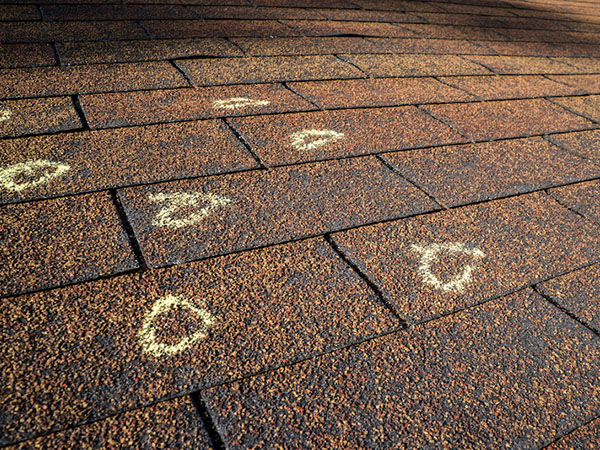
Asphalt shingles often show hail damage through dark impact marks where protective granules have been knocked away. These granules help shield the shingle from UV exposure and weathering. When they are removed, the underlying material becomes more vulnerable to deterioration.
Metal roofs may respond differently to hail impacts. Instead of losing granules, metal roofing systems can develop dents, dings, or cosmetic blemishes. Depending on the severity of the storm, hail can also affect seams, fasteners, and flashing components.
The appearance of damage varies based on hail size, wind speed, roof age, and roofing material. Because some damage can be subtle, a roof may appear unaffected even when impacts have compromised its long-term performance.
What Homeowners Often Miss During Self-Inspections
Many homeowners inspect their roofs from the ground after a storm. While this can reveal obvious damage, some of the most significant problems are difficult to identify without closer examination.
Granule loss, bruising beneath shingle surfaces, and minor flashing damage are commonly overlooked. A shingle bruise occurs when hail impacts weaken the material without creating an immediately visible hole. Over time, these weakened areas can deteriorate and contribute to leaks.
Roof valleys, flashing around penetrations, and elevated sections of the roof may also hide damage that is not easily visible. Professional inspections help identify these less obvious issues before they create additional problems.
When to Act Quickly After a Hailstorm
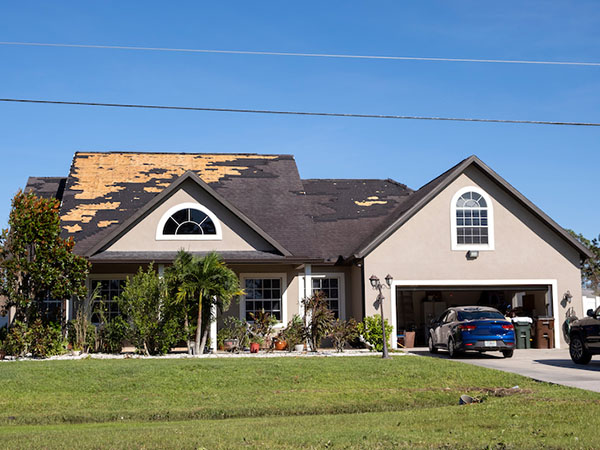
Not every hailstorm causes severe roofing damage, but delaying an inspection can make future issues more difficult to address. If a storm produces large hail, visible roof damage, water intrusion, or damage to gutters and exterior surfaces, homeowners should schedule an inspection as soon as practical.
Prompt action can help document damage while evidence remains visible. This can be particularly important if an insurance claim becomes necessary. Waiting too long may allow weather exposure to worsen the condition of affected materials.
Even when leaks are not immediately present, hidden damage can continue to affect roofing components. Early evaluation helps homeowners understand whether repairs are needed and what steps should be taken next.
Understanding the Claims and Repair Process
When hail damage is confirmed, homeowners often begin by contacting their insurance provider. The claims process typically involves documenting damage, scheduling inspections, and determining whether repairs or replacement are covered under the policy.
Repair recommendations depend on the severity and location of the damage. Isolated areas may be suitable for targeted repairs, while more extensive impacts affecting large portions of the roof may require broader corrective work.
Understanding the condition of the roof allows homeowners to make informed decisions about protecting their property and restoring weather resistance after a storm.
Taking the Right Steps for Hail Damage Roof Repair
Hail can affect roofing systems in ways that are not always immediately visible. A prompt inspection helps identify damage, supports insurance documentation, and allows homeowners to address issues before they worsen.
For Hail damage roof in Canton, GA, contact Rise Residential Roofing at (678) 772-6995 today.
FAQ
What does hail damage look like on asphalt shingles versus a metal roof?
Asphalt shingles often show granule loss, dark impact marks, and bruising. Metal roofs typically display dents or surface impressions. The exact appearance depends on the severity of the storm and the roofing material involved.
How soon after a hailstorm should I have my roof inspected?
Scheduling an inspection soon after the storm is generally recommended. Early inspections help identify hidden damage, document conditions for insurance purposes, and prevent small issues from developing into larger problems.
Does hail damage always require a full roof replacement, or can it be repaired?
Not necessarily. Minor or localized damage can often be repaired. Replacement may be recommended when damage is widespread, affects the roof’s ability to protect the home, or impacts a significant portion of the roofing system.