A standing seam metal roof can provide durable protection for a Georgia home when the system is properly selected and installed. The panels, clips, underlayment and flashing all affect how it handles heat, rain and wind.
If you are pricing a standing seam metal roof in Holly Springs, GA, or have looked at a standing seam metal roof in Canton, GA, you may have seen big price gaps between quotes. This guide explains the main differences in plain words so you can compare proposals and ask the right questions.
What Is a Standing Seam Metal Roof?
A standing seam metal roof uses long panels with raised joints where adjoining edges connect. Panels often run from ridge to eave, although some designs require additional transitions or end laps. Seam height and shape vary by product.
Steel panels are commonly available in gauges such as 24 and 26. For the same type of metal, a lower gauge number generally means thicker material. Aluminum and other metals may use different thickness designations.
Types of Seams
- Snap-lock: Adjoining panel edges snap together. The profile’s approved slope, attachment and weather-resistance requirements determine where it can be used.
- Mechanically seamed: A seaming tool folds adjoining edges together after placement. Certain systems are designed for lower slopes, subject to their specific requirements.
- Nail strip: A concealed fastening flange attaches directly to the supporting deck. Slotted holes allow movement when fasteners are installed correctly.
Each manufacturer sets minimum slope and installation requirements for the particular panel system. The seam category alone does not establish suitability.
Concealed vs. Exposed Fasteners
Standing seam systems conceal the primary panel attachment beneath adjoining panels or seams. This reduces exposed fastener penetrations across the main roof surface.
Exposed-fastener roofs use screws through the panel face, typically with sealing washers. These systems often cost less initially, but exposed fasteners and seals need periodic inspection. Repair or replacement timing depends on their condition and the manufacturer’s guidance.
Standing seam roofs may still use exposed fasteners at certain trim, flashing or termination details. Their presence does not automatically mean the roof is an exposed-fastener system.
Ask every roofer: “Where will fasteners penetrate the panel or trim, and how will those details be sealed while allowing movement?”
How the Panels Are Attached
- Fixed clips: Restrain panels at locations defined by the system’s design.
- Floating clips: Secure panels while allowing a specified amount of thermal movement.
- Nail strips: Use concealed fastening flanges, often with slots that accommodate movement when installed as directed.
The attachment pattern must suit the tested panel assembly, supporting deck and project wind requirements. Roof height, exposure, panel dimensions and perimeter or corner zones can affect spacing. Fastener placement and installation are as important as the clip type.
Thermal Movement: Why Metal Needs Room to Move
Metal expands as it warms and contracts as it cools. How much a panel moves depends on the metal, panel length and temperature change.
The roof design must account for that movement through the specified clips, fastening slots, fixed points and flashing details. Panel length limits and required movement allowances vary by system.
Restricted movement can contribute to stress, distortion or noise. Waviness known as oil canning can also have other causes and may be an appearance characteristic rather than a leak or structural defect.
Ask how the proposed system accommodates movement at ridges, eaves, valleys and penetrations. Learn more in our guide on metal roof installation in Canton, GA.
Underlayment: The Layer You Don’t See
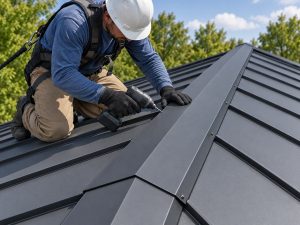
Underlayment is installed beneath the panels as part of the roof assembly. It provides secondary water protection where specified, but it does not replace properly installed panels and flashing.
- Temperature compatibility: Use an underlayment approved for the selected metal roof and its expected service temperatures.
- Self-adhering membrane: Valleys, eaves and penetrations may need additional protection according to the roof design, manufacturer’s instructions and applicable requirements.
- Separation or slip layers: Some assemblies require a compatible layer to prevent unwanted contact or allow movement.
The proposal should identify the products and their coverage areas. Unapproved substitutions can affect performance and warranty eligibility.
Flashing and Trim: Where Most Leaks Start
Roof transitions and penetrations deserve close attention because failures there can allow water beneath otherwise sound panels. Flashing directs water across these changes in the roof.
- Eave and drip edge: Direct water off the roof edge and integrate with gutters where present.
- Ridge cap: Protects the ridge using the specified closures, ventilation components and weather seals.
- Valley flashing: Carries water through the intersections of roof slopes.
- Pipe and chimney flashing: Integrates penetrations with the panels using compatible materials and approved details.
Good flashing fits the roof geometry, manages water and allows the movement required by the panel system. Ask which details use sealant, exposed fasteners or components that need periodic maintenance.
Is It Right for Your Home?
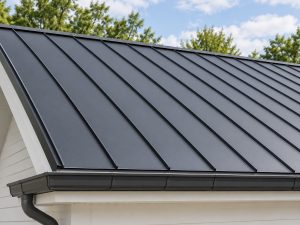
A standing seam metal roof in Holly Springs, GA may suit homeowners seeking a durable roof with concealed primary fasteners. Suitability depends on roof slope, design, supporting structure, appearance preferences and budget.
A properly designed and maintained metal roof can provide decades of service. Actual lifespan depends on the metal, protective finish, environment, installation and maintenance. Reflectivity also depends on the selected finish, and hail performance involves the complete panel assembly rather than thickness alone.
If your current roof took a hit this season, our guide to storm damage in Canton, GA explains what to look for.
The key is a proposal that follows the selected manufacturer’s requirements for slope, attachment, underlayment, panel length and flashing. Homeowners comparing metal roof installation in Canton, GA should ask for the same level of detail.
Ready to discuss your roof? Call Rise Residential Roofing at 678-772-6995 to ask about standing seam roofing for your Holly Springs home and request information about an assessment and written estimate.
Frequently Asked Questions
1. How long does a standing seam metal roof last in Holly Springs, GA?
A properly selected, installed and maintained system can provide decades of service. The metal, finish, exposure, attachment and flashing all influence lifespan. Product and workmanship warranties describe coverage rather than guaranteeing a specific service life.
2. Is standing seam better than an exposed-fastener metal roof?
Standing seam conceals the primary panel attachment, reducing exposed fastener penetrations in the roof field. Exposed-fastener systems can cost less initially but require attention to screws and sealing washers. The better choice depends on the roof design, product, budget and maintenance expectations.
3. Can a standing seam metal roof go over my old shingles?
Sometimes. A recovery depends on the existing roof condition, layer count, deck capacity, material compatibility and applicable requirements. Tear-off allows the deck to be examined more fully. The proposed system must include any required separation, underlayment or supporting layers.
4. Is a metal roof loud when it rains?
Interior sound depends on the complete assembly, including decking, insulation, ceilings and attic space. Metal installed over a solid deck can sound different from panels over open framing. Ask how the proposed assembly addresses your noise concerns.
5. Why is my metal roof making popping sounds?
Thermal movement can produce noise, but sounds alone do not establish an installation defect. New, persistent or concerning noise should be assessed along with panel attachment, clearances and other roof conditions.
6. How much does a standing seam metal roof cost in Holly Springs, GA?
Cost depends on roof size, slope, metal and finish, deck condition, tear-off requirements and the number of valleys, penetrations and transitions. Request a written estimate identifying the panel system, attachment, underlayment, flashing, cleanup and applicable warranty terms.