A roof inspection should tell you three things: what shape your roof is in, what is wrong with it, and what to do next. If you can’t get clear answers to those three things, the inspection did not do its job.
A quick “looks fine” or a sales pitch for a new roof is not enough. You should know what was checked, see photos of any problems, and get the findings in writing. Homeowners arranging a roof inspection in Alpharetta, GA should ask about the inspection scope and documentation before booking. The same questions apply to a roof inspection in Canton, GA and other North Georgia towns.
This guide explains what a trustworthy roof inspection in Alpharetta, GA includes. You will learn what should be examined, what kinds of damage may be visible, how findings should be reported, and when a problem needs special tools to confirm.
Why Alpharetta Roofs Need Regular Inspections
Storms, summer heat and humidity all affect roofs in Alpharetta. Many homes also sit under tall pine and oak trees that drop needles, leaves and branches onto the roof.
Roof lifespan depends on the materials, installation, ventilation, exposure and maintenance. Age alone does not establish whether a roof needs replacement. Small problems can stay hidden until water shows up on a ceiling, when repairs may be more involved. An annual inspection, plus checks after significant storms, helps identify problems early.
What a Roof Inspection Covers
A good inspection looks at more than just the shingles. Confirm whether the agreed scope includes the following areas.
The roof surface
- Shingles, metal panels or other roofing material
- Missing, cracked, curled or lifted shingles
- Granule loss and exposed areas
- Signs of possible hail or wind damage
Flashing and seals
- Flashing around chimneys, walls and skylights
- Pipe boots around plumbing vents
- Dried, cracked or separated sealant
Vents and airflow
- Accessible ridge vents, box vents and soffit vents
- Visible obstructions or damage
- Signs that may suggest ventilation or moisture problems
Gutters and edges
- Clogged or loose gutters
- Drip edge condition
- Visible deterioration of fascia boards and soffits
Attic, when safely accessible
- Unexpected daylight through roof decking or damaged details
- Water stains on wood
- Damp or matted insulation
Inside the home, when access is included
- Stains on ceilings or walls near the roof
- Peeling paint or bubbling drywall
Common Defects an Inspector Can See
Some roof problems can be identified through a visual inspection. Common observable defects include:
- Missing or broken shingles
- Granule loss or exposed shingle reinforcement
- Impact marks that warrant closer assessment
- Raised or exposed fasteners
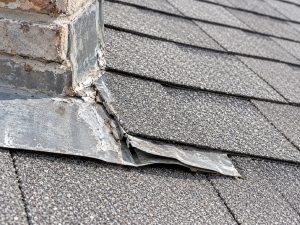
- Lifted or rusted flashing around chimneys and walls
- Cracked pipe boots
- Sagging areas that may indicate an underlying problem
- Moss or debris that can retain moisture, and algae staining that should be distinguished from damage
- Loose fasteners or separated seams on metal roofs
Metal roofs have their own inspection needs. Fasteners can back out, sealing washers can deteriorate, and panels or connections can move. Our page on metal roof repair in Canton, GA discusses related issues. Confirm that the inspector’s experience and proposed repair scope match your particular metal roof system.
How Photos Help
Photos are one of the most useful parts of a roof inspection. Homeowners should not need to climb onto the roof to understand its condition. Clear documentation should include:
- Wide shots showing each inspected roof slope or section
- Close-up shots of identified problem areas
- Location notes, such as “north slope near chimney”
- Representative photos of areas without visible defects
Photos can also document roof conditions for insurance discussions. They do not establish coverage or guarantee that a claim will be accepted.
What Your Written Report Should Include
Before booking, confirm that written findings are included and when they will be delivered. A useful report should cover:
- Overall roof condition
- Each identified problem and its location
- Photos tied to the findings
- Priority levels, such as immediate attention, planned repair or monitoring
- Recommended next steps, including maintenance, repair or further evaluation
- Areas that were inaccessible or outside the inspection scope
Ask whether repair pricing is included or provided in a separate estimate. The report also gives you a record to compare with future inspections and track changes over time.
Observations vs. Testing: Know the Difference
A standard roof inspection is primarily visual. It covers accessible surfaces and details, but it cannot confirm every condition beneath the roofing. Separate testing or additional access may require a different scope, another visit or an added cost.
What observation can identify:
- Missing, cracked or worn shingles
- Visibly damaged flashing and pipe boots
- Clogged gutters
- Visible water stains
- Sagging or accessible soft areas that warrant further investigation
What may need separate testing, specialist assessment or access:
- Moisture meter readings to investigate suspected wet materials
- Infrared scanning under suitable conditions to identify temperature patterns that may indicate moisture or insulation issues
- Controlled water testing to investigate a suspected leak path
- Selective openings or samples when needed to examine concealed materials, followed by proper repairs
- Assessment by a qualified mold professional when warranted
- Additional attic access when areas are blocked or inaccessible
- Structural evaluation when sagging or damage raises concerns about the roof’s support
When findings suggest a hidden problem, the report should identify it as suspected and explain what further evaluation could confirm. No one should enter unsafe areas simply to complete an inspection.
When to Schedule a Roof Inspection
Consider scheduling an inspection if:
- Your roof is aging or its condition is uncertain
- A storm with hail or high winds has passed through
- You see stains on your ceiling
- You are buying or selling a home
- You found shingles in your yard
- You have not had an inspection in over a year
Active leaks or visible structural damage need prompt attention rather than waiting for a routine inspection.
Book Your Roof Inspection in Alpharetta, GA
A useful roof inspection gives you understandable findings and a clear basis for deciding what to do next. Before booking, ask about roof and attic access, photographs, written documentation and any testing that would be separate.
Call Rise Residential Roofing at 678-772-6995 or contact us online to discuss inspection availability for your Alpharetta home.
Inspection Planning for Alpharetta, Canton, and Nearby Areas
Whether you are arranging a roof inspection in Alpharetta, a roof inspection in Canton, or evaluating metal roof repair in Canton, confirm the service area, roof types covered and documentation included. The agreed scope should reflect your home’s materials, access and concerns.
Frequently Asked Questions
1. How long does a roof inspection take in Alpharetta, GA?
Many residential inspections take about an hour, but the time varies with roof size, slope, access, complexity and whether an attic or interior inspection is included. Ask for an estimated duration when booking.
2. How often should I get my roof inspected?
An annual inspection is a useful starting point, with additional checks after significant storms or when signs of a leak appear. Follow any maintenance requirements associated with your roofing system or warranty.
3. Will I get photos of the damage?
Confirm that photographs are included before booking. Useful documentation pairs close-up photos with wider views and location notes so each finding can be understood.
4. Can a roof inspection find every leak?
No. A visual inspection can identify visible defects and possible entry points, but concealed moisture and leak paths may require additional access or testing.
5. Does a roof inspection help with insurance claims?
Dated photos and written findings can document roof conditions for your insurer. Coverage and claim decisions depend on the policy, cause of damage and the insurer’s assessment.
6. Do you inspect metal roofs too?
Ask Rise Residential Roofing whether inspection of your specific metal roof system is available. A metal roof inspection should address accessible panels, seams, fasteners, sealing washers, flashing and signs of movement or corrosion.