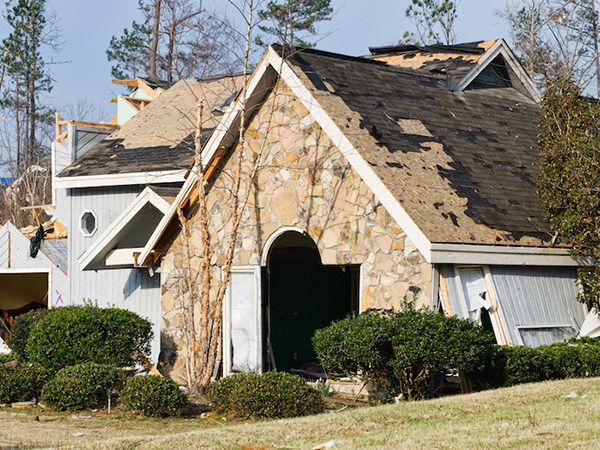
If your home has been affected by severe weather, call Rise Residential Roofing at (678) 772-6995 for storm damage in Canton, GA. North Georgia experiences a variety of weather conditions throughout the year, including strong spring thunderstorms, summer hail events, and damaging windstorms. Understanding how storms affect roofing systems can help homeowners recognize problems early and take appropriate action after severe weather.
For related residential roofing guidance in Canton, see Roof damage in Canton and new roof in Canton.
Common Types of Storm Damage in North Georgia
Storm damage can take many forms depending on the weather event. Strong winds may lift, loosen, or remove shingles, exposing underlying roofing materials to rain and moisture. Wind-driven debris such as tree branches can also strike the roof and create punctures or impact damage.
Hailstorms frequently occur during warmer months and can damage shingles, flashing, gutters, and roof vents. Even when hail does not immediately cause leaks, repeated impacts may weaken roofing materials and reduce their lifespan.
Heavy rainfall can reveal vulnerabilities that already existed within the roofing system. Water may enter through damaged flashing, missing shingles, or compromised roof penetrations. Severe storms can also affect siding, gutters, and other exterior components connected to the roof’s drainage system.
Signs Your Roof May Have Storm Damage
Some storm damage is obvious, while other issues can be difficult to detect from the ground. Missing or displaced shingles are among the most noticeable warning signs. Homeowners may also observe dented gutters, damaged flashing, or debris accumulation after a storm.
Inside the home, water stains on ceilings or walls may indicate roof-related moisture intrusion. Damp attic insulation, musty odors, or visible daylight entering through the roof structure can also signal damage.
Because some storm-related problems develop gradually, homeowners should monitor their property after major weather events and schedule inspections when concerns arise.
What Happens During a Post-Storm Roof Inspection?
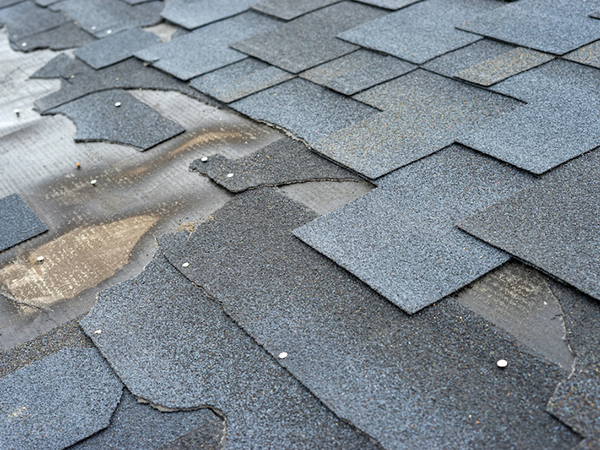
A post-storm inspection is designed to identify visible and hidden damage. The inspection process typically begins with an evaluation of roofing materials, flashing, vents, gutters, and other exterior components.
Inspectors look for signs of wind uplift, hail impacts, punctures, cracks, and moisture-related concerns. They may photograph affected areas and document findings to help homeowners understand the condition of the roof.
The inspection also helps determine whether repairs are sufficient or whether more extensive restoration work may be necessary. Early assessment can prevent minor issues from developing into larger structural or water damage problems.
Understanding the Storm Damage Repair Process
The repair process depends on the type and severity of damage present. Minor repairs may involve replacing damaged shingles, resealing flashing, or correcting isolated problem areas. More significant damage may require larger sections of the roof to be repaired or replaced.
Documentation is often an important part of the process, particularly when homeowners plan to submit an insurance claim. Accurate records can help establish the scope of damage and support communication with insurance providers.
Addressing storm damage promptly helps reduce the risk of additional water intrusion and protects the overall integrity of the roofing system.
Taking Action After Severe Weather
Storm damage is a common concern for homeowners in Canton due to the region’s seasonal weather patterns. Knowing what to look for after severe weather and understanding the inspection and repair process can help homeowners make informed decisions and protect their investment. For storm damage in Canton, GA, contact Rise Residential Roofing at (678) 772-6995 today.
FAQ
What types of storm damage should I look for on my roof after a severe weather event?
Look for missing shingles, dented gutters, damaged flashing, fallen debris, water stains inside the home, and any visible signs of roof deterioration following a storm.
How do I know if storm damage is covered by my homeowner’s insurance?
Coverage depends on the specific policy and the cause of the damage. Homeowners should review their policy details and contact their insurance provider to discuss covered events and claim requirements.
Should I use a tarp on my roof after storm damage, and for how long?
A tarp can provide temporary protection if the roof has exposed areas that may allow water intrusion. It should remain in place only until permanent repairs can be completed safely.