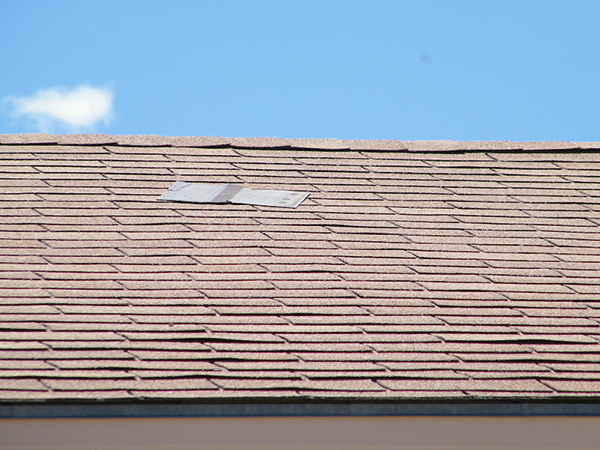
Severe weather can leave Cartersville, GA homeowners dealing with missing shingles, leaks, fallen debris, and uncertainty about what to do next. The first 24 to 48 hours are especially important because the steps taken during this period can limit additional exposure and create useful documentation for contractors and insurance representatives. Storm damage should be addressed with a safe, organized response that protects the home while preserving clear information about what occurred.
Call Rise Residential Roofing at (678) 772-6995 for Storm damage in Cartersville, GA.
First Steps After Storm Damage
Safety should guide every decision immediately after a storm. Before inspecting the property, homeowners should look for hazards such as downed power lines, fallen trees, unstable branches, standing water, broken glass, and damaged structural components.
Once conditions are safe, inspect the property from ground level. Look for shingles or roofing materials in the yard, damaged gutters, displaced flashing, debris on the roof, and visible changes along ridges or roof edges. Inside the home, check ceilings, walls, attic areas, and other accessible spaces for water stains or active moisture.
Avoid climbing onto the roof. Storm damage can leave surfaces slippery or structurally unstable, and some problems are difficult to identify without professional training. Ground level observations can provide enough information to begin documenting the event and arranging an inspection.
Document Conditions Before Cleanup Begins
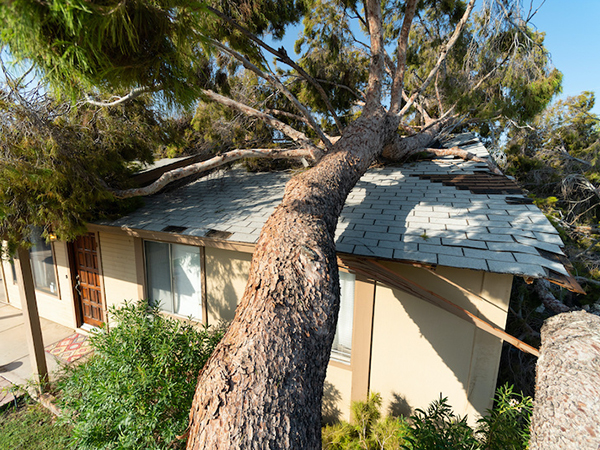
Photographs and written notes create a record of the property’s condition immediately following severe weather. Take pictures of visible roof damage from safe locations and document affected siding, gutters, windows, landscaping, and interior spaces.
Photograph water stains and active leaks before beginning temporary cleanup. If roofing materials or debris have fallen into the yard, documenting them before removal can also help establish what happened during the storm.
Record the date and approximate time of the weather event along with observations about hail, wind, falling branches, or other conditions. Homeowners should also save receipts and records related to temporary protective measures or emergency work. Organized documentation gives contractors and insurance representatives clearer information when they begin evaluating the property.
Protecting the Home from Additional Damage
Temporary protection may be appropriate when storm damage has created an opening that allows water inside. Indoors, containers can collect dripping water, while furniture, electronics, and other belongings should be moved away from affected areas when it is safe to do so.
Homeowners should avoid attempting complicated temporary roof repairs themselves. Installing tarps or coverings can require working on steep, wet, or damaged surfaces. A professional can determine how to protect exposed areas without creating additional safety risks or interfering with the eventual repair.
Temporary measures are intended to reduce further exposure until permanent repairs can be completed. They should not be treated as a substitute for determining what was damaged and correcting the underlying roofing problem.
Prepare for Contractor and Insurance Conversations
Having information organized before making calls can make the next steps easier. Be prepared to explain when the storm occurred, what weather conditions were observed, where leaks or visible damage appeared, and whether temporary protective measures have already been taken.
Keep photographs, notes, receipts, insurance information, and previous roofing records together. If the roof has undergone recent repairs or replacement, documentation showing when that work occurred may provide useful background during the inspection.
When speaking with an insurance company, ask what documentation is required and what steps apply to the claim process. Policy terms vary, so homeowners should rely on their insurer for information about coverage and required procedures.
A roofing inspection can then provide a closer evaluation of the roof and help identify which areas require repair or further attention.
Respond to Storm Damage in Cartersville
The hours following severe weather can feel hectic, but a structured response helps homeowners protect their property and gather useful information. Prioritize safety, document visible conditions, limit additional water exposure, and organize records before professional evaluations begin.
Rise Residential Roofing helps Cartersville homeowners evaluate roofing concerns following severe weather. For Storm damage in Cartersville, GA, contact Rise Residential Roofing at (678) 772-6995 today.
FAQ
What should I do in the first 24 hours after a storm damages my roof?
Start by checking for immediate safety hazards, then document visible exterior and interior damage from safe locations. Protect belongings from active leaks and arrange for a professional roof evaluation.
Is it safe to get on my roof after a storm to inspect damage?
Homeowners should generally remain off a storm damaged roof. Wet materials, hidden structural problems, loose debris, and damaged roofing components can make walking on the surface hazardous.
What information should I have ready before contacting a roofing contractor?
Have the storm date, photographs, descriptions of leaks or visible damage, previous roofing records, and information about temporary protective measures available. These details provide useful context for the inspection.