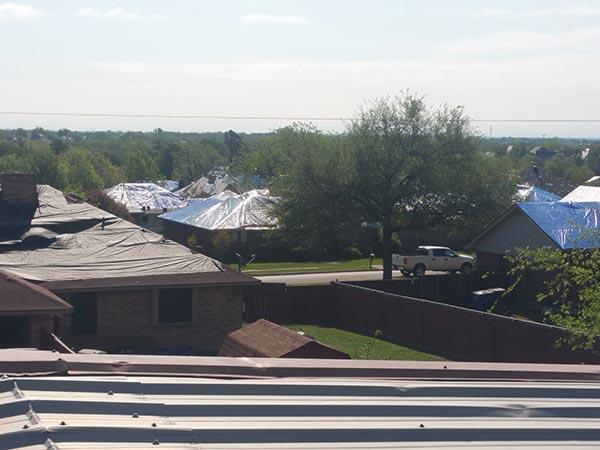
Homeowners in Cartersville, GA, need to consider more than the immediate appearance of their roofs after a hailstorm. Hail can weaken roofing materials in ways that affect how long the roof can continue performing, and repeated storms can compound that wear over time. A hail damaged roof may have less remaining service life than its age alone suggests, making the condition of the existing materials an important factor in deciding whether to repair or replace.
Call Rise Residential Roofing at (678) 772-6995 for a hail damaged roof in Cartersville, GA.
How Hail Damage Can Shorten Roof Life
A single hail event does not automatically mean a roof needs to be replaced, but its effect on remaining service life depends on the severity and location of the damage. Asphalt shingles can develop bruising, cracking, granule loss, or other damage that weakens their ability to protect the roof deck.
The long-term concern is that damaged shingles may become more vulnerable to weather after the storm. Sun exposure, rain, temperature changes, and additional storms can place further stress on already weakened areas. A roof that was nearing the later part of its expected service life before a hail event may have less time remaining than a newer roof with similar damage.
Repeated hail exposure can compound the problem. Multiple storms may create new damage while adding stress to previously affected materials. Over time, repeated repairs can also make it necessary to look at the overall condition of the roof rather than evaluating each storm as an isolated event.
Hail Damage and Different Roofing Materials
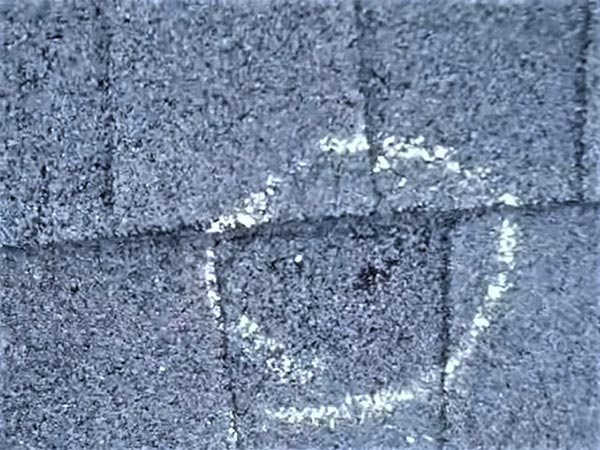
Roofing materials do not all respond to hail in the same way. Asphalt shingles are widely used on residential homes, but their durability can vary depending on their construction and impact resistance. Hail can affect the shingle surface and underlying integrity, particularly when impacts occur repeatedly.
Metal roofing can offer a different long-term durability profile. Individual panels may withstand hail impacts better than some other materials, although severe hail can still cause dents, coating damage, or other issues. The type and severity of the impact should be considered when evaluating the roof’s remaining service life.
Some roofing products are designed and tested for greater impact resistance. However, no roofing material is completely immune to hail damage. Homeowners in hail-prone areas should consider the material’s durability, the roof’s age, and the history of previous storms when thinking about long-term performance.
When Repairs Make Sense for a Hail Damaged Roof
Repair can be a reasonable long-term choice when damage is limited and the surrounding roofing materials remain in good condition. Replacing affected shingles or other localized components can restore the damaged area without disturbing the rest of the roof.
The roof’s age should be considered alongside the damage. A relatively new roof with isolated hail damage may have substantial service life remaining after appropriate repairs. A much older roof with widespread damage presents a different decision because repairing individual areas may leave homeowners with an aging system that is more vulnerable to future storms.
The pattern of damage matters too. If several areas show deterioration from repeated hail events, looking at the roof as a whole can provide a better basis for deciding whether continued repairs or replacement makes more sense for long-term durability.
Choosing the Better Long-Term Option
Replacement may become the more practical choice when hail damage is widespread or when the roof was already approaching the end of its useful service life. A replacement provides a new roofing system rather than extending the life of materials that have already experienced years of weather exposure.
Homeowners should also consider how frequently the roof has required repairs following previous storms. A history of repeated hail-related repairs can indicate that the existing system is becoming less capable of providing the desired service life. An evaluation of the current condition can help determine whether another repair is appropriate or whether replacement offers a better long-term solution.
Protecting Your Roof’s Remaining Service Life
Hail damage should be evaluated in the context of the roof’s age, material, previous storm exposure, and overall condition. Looking at these factors together helps homeowners make a decision based on expected durability rather than focusing only on the most recent visible damage.
For a hail damaged roof in Cartersville, GA, contact Rise Residential Roofing at (678) 772-6995 today.
FAQ
How much does a single hail event shorten the lifespan of an asphalt shingle roof?
There is no fixed number of years because the effect depends on the severity and location of the impacts, the roof’s age, and its condition before the storm. A professional evaluation can determine whether the damage is likely to affect the roof’s remaining service life.
At what point does repeated hail damage make replacement smarter than continued repairs?
Replacement may make more sense when damage is widespread, the roof is already older, or the system has required repeated repairs after previous storms. Evaluating the overall condition provides a better basis for this decision than looking at one damaged area alone.
Which roofing materials hold up best against hail over the long term?
Material durability varies, and some products are specifically designed and tested for greater impact resistance. Metal roofing can also provide a different durability profile from asphalt shingles. The right choice depends on the home’s needs, the local hail environment, and the material’s tested performance.