A new roof is a major home improvement, and installation quality affects how well the roofing system performs over time. For homeowners in Canton, GA, a successful project starts with a clear scope, suitable materials, and a process that accounts for the existing roof. Rise Residential Roofing installs shingle roofing, metal roofing, and standing seam metal roofing systems throughout its North Georgia service area. If you are planning a roof installation, call (678) 772-6995.
What Happens During Roof Installation in Canton, GA?
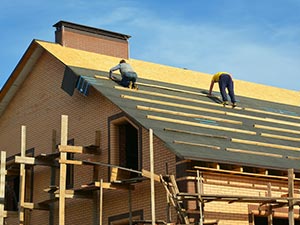
The sequence depends on the roofing material, existing roof condition, and agreed scope. For a replacement that includes tear-off, work typically moves from site preparation into decking evaluation, protective layers, flashing details, roofing-material installation, cleanup, and a final check.
Site Preparation and Existing Roof Removal
Before removal begins, the work area should be prepared for crew access and debris management. Landscaping, driveways, siding, windows, and other nearby areas may need protection depending on the property. When the project calls for a full tear-off, the existing roof covering is removed so the deck can be evaluated.
Decking Inspection and Repairs
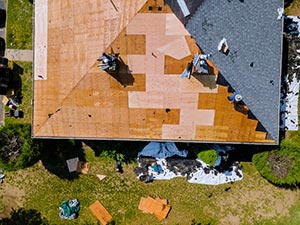
Once the deck is exposed, damaged or deteriorated areas can be identified before new roofing materials cover them. Soft wood, rot, previous water damage, or other defects may change the scope. Required decking work can also affect schedule and cost, so homeowners should understand how unexpected repairs will be documented and approved.
Underlayment and Water-Shedding Components
After the roof deck is ready, the roofing system’s required underlayment and related water-shedding components are installed. The exact materials and placement depend on the selected roof system and installation specifications. These layers work with the finished roof covering to help manage water and protect the roof assembly.
Flashing and Roof Details
Roof transitions and penetrations require careful detailing. Areas around chimneys, walls, vents, skylights, roof edges, and valleys may use flashing or other system-specific components to direct water away from vulnerable joints. Existing details should be evaluated rather than automatically reused if they are damaged or unsuitable for the new system.
Installing the Roofing Material
The main roofing material is then installed according to the requirements of the selected system. Asphalt shingles, metal panels, and standing seam metal roofing use different fastening, layout, flashing, and finishing methods. Homeowners should expect the installation scope to identify the material being used and the major components included with it.
Cleanup and Final Installation Checks
Cleanup should happen during the project and when installation is complete. Debris, removed roofing materials, packaging, and loose jobsite materials should be cleared. A final review should confirm that the agreed visible work is complete and any remaining homeowner questions are addressed.
Rise Residential Roofing’s current website emphasizes clean jobsites and communication. Homeowners can use the final review to ask about maintenance, applicable warranty documents, and any recommended follow-up.
How Homeowners Can Prepare for Installation Day
A few practical preparations can make the work area easier to manage. Move vehicles away from crew access areas. Secure patio furniture, grills, decorations, and other outdoor items near the house. Keep pets and children away from active work areas, and tell the contractor about gates, delicate landscaping, exterior equipment, or access limits.
Inside the home, vibration from roof work can sometimes disturb items stored against walls or on shelves. Homeowners may want to secure fragile belongings in upper rooms and the attic before work starts. If attic access will be needed, make sure the access point can be reached without moving stored items during the project.
How Long Does Roof Installation Take?
There is no single installation timeline that fits every home. Roof size, pitch, material choice, access, weather, decking repairs, and the complexity of roof details can all change the schedule. A straightforward shingle replacement may require less time than a standing seam metal installation or a project where hidden deck damage is discovered after tear-off.
The useful question is not whether every roof can be completed within a fixed number of days, but what assumptions the contractor used when building the project schedule. Ask what could extend the timeline, how weather delays are handled, and how you will be notified if additional repairs change the plan.
Planning a Roof Installation in Canton, GA
Rise Residential Roofing serves homeowners in Canton and surrounding North Georgia communities and currently offers residential roof replacement along with shingle and metal roofing options. Its existing shingle roofing and roof replacement pages provide more detail on those systems and replacement planning.
If you are preparing for a roof installation in Canton, GA, call Rise Residential Roofing at (678) 772-6995 to discuss material options, the condition of your existing roof, and the scope that applies to your home.
Frequently Asked Questions
How long does roof installation take?
Timing depends on roof size, material, access, weather, and whether hidden decking repairs are found. Your project schedule should reflect the actual scope rather than a universal number of days.
Does all roof decking need to be replaced during installation?
No. Decking work depends on what is found after the existing roof is removed and the deck can be inspected. Damaged or unsuitable sections may need repair or replacement before the new system is installed.
What roofing materials does Rise Residential Roofing install?
The current client scope includes shingle roofing, metal roofing, and standing seam metal roofing. The best fit depends on the home’s design, budget, and project requirements.
How should I prepare my property before installation?
Clear crew access areas, move vehicles, secure outdoor items, and keep children and pets away from the work zone. Tell the contractor about gates, landscaping, or other property conditions that could affect access.