Many roof leaks don’t start with a big storm. They start small: a clogged valley, a cracked pipe boot, or a shingle that lifted last spring and was never fixed. By the time a stain shows up on the ceiling, the damage may have been building for months.
This checklist makes roof maintenance in Woodstock, GA, easy to follow. You’ll learn what to check on each roof type, where leaks can start, and when to plan follow-up visits. It also covers gutters, since sagging or leaky gutters can damage the roof edge. The same warning signs are useful if you’re considering gutter repairs in Canton, GA. Want a professional to take a look? Call Rise Residential Roofing at 678-772-6995 to discuss your roof.
Why Woodstock Roofs Need a Local Plan
Roofs in Cherokee County deal with stress all year long. Summers are hot and humid. Spring brings thick yellow pollen and strong storms. Fall drops pine needles and oak leaves into gutters and roof valleys.
Each season brings different problems. Heat and sun can wear down sealants. Damp areas can encourage algae and moss growth. Debris blocks drainage and holds moisture against the roof. A good maintenance plan follows these seasons instead of waiting for something to break.
Upkeep Based on Your Roof Material
Not every roof needs the same care. Here’s what to focus on for common roof types around Woodstock.

Asphalt Shingles
Asphalt shingles are common on homes in the area. Check them from the ground with binoculars or from an upstairs window. Leave climbing onto the roof to a trained roofer. Look for:
- Shingles that are curled, cracked or missing
- Bare spots where granules have worn off
- Dark algae streaks, especially on shaded slopes
- Raised spots that may indicate fasteners pushing up beneath shingles
Avoid pressure washing shingles. It can strip away the granules that protect them from the sun. For algae, ask about a cleaning method approved by the shingle manufacturer.
Metal Roofs
Metal roofs can last a long time, but the smaller components still need attention. Have a roofer handle these checks, since metal panels can be slippery and may dent if stepped on in the wrong place:
- Screws: On roofs with exposed fasteners, repeated expansion and contraction can stress the screws and their seals. Have loose or damaged fasteners assessed during routine inspections and after major storms.
- Washers: Cracked, flattened or displaced sealing washers may need replacement. Their condition matters more than their age alone.
- Scratches: Scratches that expose bare metal may need a touch-up product approved by the panel manufacturer.
- Laps and trim: Check for gaps, loose trim and deteriorated sealant. Any repair should suit the panel system and the specific joint.
Flat and Low-Slope Sections
Some homes have a low-slope roof over a porch, carport or addition. Water may drain more slowly on these sections. Look for these signs from a safe vantage point:
- Ponding water: Water that repeatedly remains after rain can point to blocked drains or a drainage problem. Have a roofer assess the cause.
- Bubbles on the surface: Leave blisters intact. A roofer can assess whether the surface or underlying layers need repair.
- Cracks along the edges: Have cracked or separated details checked before water gets beneath the roof covering.
Avoid walking on these sections or patching them with household caulk, tar or tape. Incompatible products can damage the roof surface and may affect warranty coverage.
Gutters, Drains, and Downspouts
Your gutters are part of your roof’s drainage system. When they clog or sag, water can overflow or run behind the gutter, where it can damage the fascia and roof edge.
Cleaning: Late spring and late fall are useful times to check for buildup. Homes under pine or oak trees may need more frequent cleaning. Arrange gutter cleaning separately if it isn’t part of your maintenance agreement.
Signs that gutters may need repair:
- Sections that sag or pull away from the fascia
- Leaks at joints and corners
- Loose or missing hangers
- Poor slope that leaves water sitting in the gutter or spilling over
- Downspouts that discharge too close to the foundation
Cleaning can clear a blockage. Sagging, loose hangers or leaking joints may need a separate repair.
Seams, Flashing, and Roof Penetrations
Leaks often start where the roof meets something else. These spots deserve a close look:
- Chimney flashing: Look for gaps, rust or cracked sealant where metal meets brick.
- Step flashing: Check where the roof meets a sidewall, such as beside a dormer.
- Pipe boots: Rubber collars around plumbing vents can crack or lose their seal with age and sun exposure.
- Valleys: Debris can collect where two slopes meet and slow the flow of runoff.
- Skylights: Check the seals and flashing around the frame.
- Seams on metal or flat roofs: Look for lifted edges or open laps.
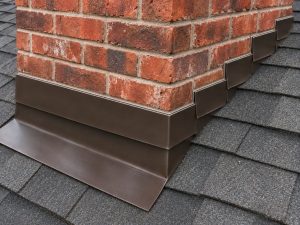
Addressing flashing problems early can help prevent more extensive damage. If only a few nearby shingles are cracked or loose and the surrounding roof is sound, a targeted repair may be enough. Learn more about shingle repair in Canton, GA.
See rust, gaps or cracked sealant from the ground? Call Rise Residential Roofing at 678-772-6995 to discuss what you noticed and ask about an inspection.
When to Schedule Follow-Up Visits
Here’s a starting schedule for Woodstock. Adjust it for roof age, tree cover, storm exposure and any manufacturer maintenance requirements.
| When | What to Do |
|---|---|
| Spring (March–April) | Check for winter damage and debris in valleys and drainage paths. |
| Late spring | Arrange gutter cleaning if debris has built up before summer storms. |
| After a major storm | From the ground, look for missing shingles, dents or loose metal. Arrange an inspection if you see damage or signs of a leak. |
| Fall (October–November) | Check roof edges and drainage, and arrange gutter cleaning after leaves drop. |
| After a repair | Look for fresh stains or drips after the next substantial rain and follow any agreed recheck schedule. |
| Every year | Arrange a professional inspection, including an exposed fastener check if applicable to your metal roof. |
Older roofs or roofs with recurring drainage problems may benefit from a professional inspection in both spring and fall.
Keep a Simple Service Record
A roof record helps show when you first noticed damage and what maintenance or repairs took place. That history can support a warranty or insurance review, although the records alone don’t prove what caused the damage. Some warranties specify maintenance or documentation requirements.
Keep a folder or a note on your phone with:
- The date of each inspection and who performed it
- Photos taken from the same safe viewpoints when possible
- What was found and what was fixed
- Receipts and written repair details
- Storm dates and when you first noticed any new damage
A clear record can also help when you sell your home.
Schedule Roof Maintenance in Woodstock, GA
A regular look at the roof covering, flashing and drainage can help catch wear before it becomes a leak. When arranging a visit, confirm which areas will be checked, whether any minor repairs are included and what findings will be documented.
Call Rise Residential Roofing at 678-772-6995 or contact us online to discuss roof maintenance in Woodstock, GA, and ask about scheduling a visit.
Frequently Asked Questions
How often should I get roof maintenance in Woodstock, GA?
A professional inspection once a year is a practical starting point. Check for visible damage from the ground after major storms. Older roofs or roofs with recurring problems may need more frequent attention.
What is included in a roof maintenance visit?
The scope depends on the roof and the service agreement. Common areas to assess include shingles or metal panels, flashing, pipe boots, valleys, seams and gutters. Confirm whether the visit includes cleaning, minor repairs, photos or a written report.
Is it safe to pressure wash my roof?
Avoid pressure washing asphalt shingles because it can remove protective granules. Ask about a cleaning method approved for your specific roof covering.
How do I know if my gutters need repair, not just cleaning?
Look for sagging sections, leaks at joints, gutters pulling away from the house or water spilling over even when the gutters are clear. These signs can point to damaged components, poor slope or another drainage problem.
How long do pipe boots last?
There’s no single lifespan. It depends on the material, installation and sun exposure. Cracks, splits or separation around the pipe are reasons to have the boot assessed.
Does regular maintenance help with my roof warranty?
It can help you meet the maintenance terms of your warranty. Keep dated records and receipts, and check the written warranty for its specific requirements and exclusions.