A new roof is one of the biggest jobs your home will ever need. Most people think about color and style first. That makes sense, but a roof’s performance also depends on the layers you never see. Whether you’re planning a shingle roof installation in Canton, GA, or a full replacement in Holly Springs, the deck, underlayment, flashing and ventilation need to work together.
This guide walks you through each step in the order it happens. By the end, you’ll know what good work looks like and what to ask before you hire anyone. Have a question about your own roof? Call Rise Residential Roofing at 678-772-6995.
Why the Install Process Matters in Holly Springs
North Georgia roofs take a beating. We get long, hot summers, heavy spring storms, high humidity and the odd winter freeze. A roof that’s rushed or built with skipped steps may look fine on day one. Later, you may find leaks, stained ceilings or shingles that curl early.
A good roof installation in Holly Springs, GA, starts with a sound wood deck and works up, one layer at a time.
Step 1: Tear-Off and Deck Preparation
For a full tear-off, the old shingles, underlayment and flashing that needs replacement are removed to expose the wood deck. Before work starts, the project plan should address how landscaping, siding and other areas around the house will be protected from falling debris.
With the deck bare, it can be checked for:
- Soft or spongy spots
- Rot from past leaks
- Loose or protruding fasteners
- Gaps or movement between boards
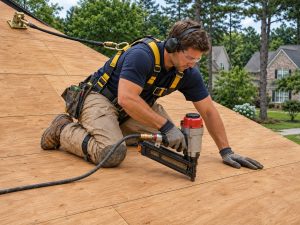
Damaged plywood or OSB should be replaced as needed, and loose decking should be secured before new roofing goes on. A flat, solid deck gives the new roof a stable base and gives its fasteners something sound to hold onto.
Step 2: Drip Edge, Underlayment, and Leak Barriers
Once the deck is solid, the next step is to protect it from water. The exact layering depends on the roofing system. On a typical asphalt shingle roof, it works like this:
- Drip edge at the eaves: The metal strip at the lower roof edge helps direct water away from the deck and fascia. It typically goes beneath the underlayment at the eaves.
- Leak barriers in vulnerable areas: A compatible self-adhered membrane can add protection in valleys, at eaves and around penetrations where specified by the roof design or installation instructions.
- Underlayment over the deck: This layer provides secondary protection if water gets beneath the roof covering. Synthetic and felt products are available; the choice depends on the roof covering and assembly requirements.
- Drip edge at the rakes: On the sloped side edges of a typical shingle roof, drip edge goes over the underlayment so water sheds off the edge. Follow the layering details for the selected system.
Step 3: Planning for Roof Ventilation
In a vented attic, airflow helps manage heat and moisture. During Georgia’s hot, humid summers, ventilation works alongside insulation and air sealing to keep attic conditions under control.
- Intake vents: Soffit vents or other low intake openings let outside air enter.
- Exhaust vents: A ridge vent or another high exhaust opening lets air leave the attic.
The key is balance. Exhaust needs enough clear intake to work as intended. The ventilation plan should account for attic size, existing vents and whether insulation blocks airflow at the eaves. If the design calls for a ridge vent, the opening is sized and prepared for that vent, which is installed near the end of the project.
Step 4: Installing Your Roofing Material and Flashing
Now the part you can see goes on. Flashing directs water away from vulnerable points, such as walls, chimneys and roof openings. Existing flashing should be assessed, with damaged, corroded or incompatible pieces replaced as needed.
Where the roof design calls for a leak barrier, it goes beneath the relevant details. Flashing is fitted as the roof covering goes on so the layers overlap and shed water.
Asphalt Shingles
Starter strips give the first course a sealed edge and help resist wind lift. Shingles are laid from the bottom up and fastened in the locations specified by the manufacturer. The nail pattern and placement matter for wind performance and may affect warranty eligibility.
Flashing is fitted as the rows go up:
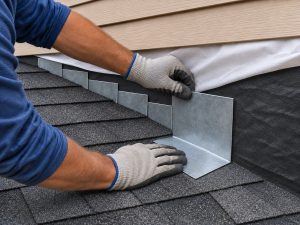
- Step flashing is layered with each course where the roof meets a sidewall, such as at a dormer or second story.
- Pipe boots are integrated with the shingles around plumbing vents so water drains over the lower edge.
- Chimney side flashing is layered with the shingles and protected by counterflashing.
These details matter on a shingle roof installation in Canton, GA, just as they do in Holly Springs. Learn more about shingle roofing options.
Metal Roofing
A properly installed and maintained metal roof can last for decades. For a closer look at this option in Cherokee County, see our page on metal roof installation in Canton, GA.
Metal roofing also affects the underlayment choice in Step 2. Panels can get very hot in the sun, so the underlayment needs to be approved for the assembly and its expected temperatures. Some systems specify a high-temperature product.
Standing seam panels join at raised seams. Many systems use concealed clips, with the attachment designed to accommodate thermal movement. Trim and flashing are fitted at walls and around pipes as the panels go on. Closures are used where the system calls for them to help keep out wind-driven rain and pests.
Step 5: Finishing the Ridge and Chimney
The ridge and chimney need finishing details on both shingle and metal roofs, although the components differ by system:
- Chimney counterflashing: Counterflashing laps over the base or step flashing so water sheds onto the roof. On masonry chimneys, it may be secured in a mortar joint or a cut groove.
- Ridge vent: Where specified, the vent is installed over the prepared opening at the peak.
- Ridge and hip caps: Cap shingles or metal trim cover the ridge and hips using details suited to the roofing system.
Step 6: Cleanup and Final Checks
A job isn’t done when the last piece goes on. The project scope should spell out cleanup, including:
- Hauling away old roofing and scraps
- Picking up loose fasteners from work areas such as the lawn and driveway; magnetic sweepers can help collect steel nails
- Clearing roofing debris from gutters where applicable
The final review should cover flashing, vents, seams or seals, and roof edges. A walkthrough or closeout discussion gives you a chance to ask about the finished work, maintenance and any applicable warranty documents.
Schedule Your Roof Installation in Holly Springs, GA
A roof should protect your home for many years. Whether you’re considering shingles or metal, compare what the proposed work includes from the deck through the final checks, along with how any unexpected deck repairs will be handled.
Call Rise Residential Roofing at 678-772-6995 or contact us online to discuss your roof installation in Holly Springs, GA, and ask about an inspection and estimate.
Frequently Asked Questions
How long does a roof installation take in Holly Springs, GA?
The schedule depends on roof size, slope, materials and the condition of the deck. Complex layouts, extensive deck repairs or bad weather can add time. Ask for an estimated schedule based on your home.
Do I need to be home during my roof installation?
Confirm access arrangements with your contractor before the job. If the crew needs attic or interior access, arrange it in advance. Ask where to park and plan to keep pets away from active work areas.
Can you install a new roof over my old shingles?
Sometimes, depending on the existing roof’s condition, the proposed system and applicable requirements. A full tear-off exposes the deck so hidden damage can be repaired and new underlayment and flashing can be installed as needed.
Which lasts longer, shingles or metal?
Metal roofs generally last longer than asphalt shingles, though service life depends on the product, installation and maintenance. Asphalt shingles generally cost less up front and are a practical choice for many homes.
Why is attic ventilation so important in Georgia?
In a vented attic, balanced intake and exhaust help manage heat and moisture during Georgia’s hot, humid summers. Ventilation works best alongside appropriate insulation and air sealing.
What happens if you find rotten wood under my old roof?
Damaged decking needs to be replaced before the new roof goes on. The estimate or agreement should explain how concealed deck damage is documented, priced and approved if it’s found during tear-off.