Most roof leaks start small. A cracked pipe boot, a clogged downspout, or one lifted shingle can sit for months before a stain shows up on your ceiling. Good roof maintenance in Alpharetta, GA, means finding those small problems early, checking on a set schedule, and writing down what you find.
Your gutters matter as much as your shingles, since water trouble often starts at the roof edge. If your gutters sag, leak at the corners, or pull away from the house, Rise Residential Roofing handles gutter repairs in Canton, GA, and nearby towns. Have a question about your roof today? Call us at 678-772-6995.
First, Stay Off the Roof
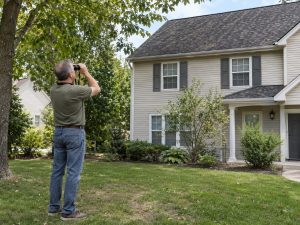
Do the checks in this guide from the ground with binoculars or from an upstairs window if you have a clear view. Leave any checks that require climbing, lifting shingles, or resealing flashing to a roofer.
How Alpharetta Weather Wears on a Roof
Alpharetta has long, humid summers and a lot of mature trees. Strong storms, sometimes with hail, can hit at different times of year. Here’s what that means for your roof:
- Heat and sun dry out sealants and rubber parts over time.
- Shade and moisture encourage moss and dark algae streaks, often on the north side of the roof.
- Pine needles, oak leaves, and spring pollen wash into gutters and valleys and slow the water down.
Once spring pollen season ends, check your gutters and roof valleys from the ground. Pollen can mix with rain and leaves into a sludge that clogs downspouts.
What to Check on Each Roof Type
Asphalt Shingles
From the ground or with binoculars, look for:
- Granules at the bottom of downspouts. A little is normal. A lot can mean the shingles are wearing thin.
- Lifted or creased shingles after strong wind. A bent shingle may not seal back down on its own.
- Black streaks. These are often algae. Ask a roofer about a cleaning method approved for your shingles.
If only a few shingles are damaged, a targeted repair may be enough. Homeowners can book shingle repair in Canton, GA, and the surrounding area to fix damaged pieces before water gets under them.
Metal Roofs
- Exposed-screw roofs: Look for screws that appear raised. A roofer can check whether the washers have cracked or split.
- Standing seam roofs: These use hidden clips instead of exposed screws. Look for panels that have shifted or seams that have opened.
- Scratches: Note any spots where bare metal is visible so a roofer can assess them before corrosion spreads.
Need help with a metal roof? See our metal roofing services.
Low-Slope Roofs (Porches and Add-Ons)
Many homes have a nearly flat roof over a porch or room addition. Check it from an upstairs window if you have a clear view.
- Look for water that remains a day or two after rain. It can point to a low spot or a drainage problem.
- Look for seam edges that are peeling up or bubbles in the surface.
- Look for leaves or debris blocking a drain or scupper.
Tile, Slate, and Cedar Shake
- Check from the ground with binoculars. Tile and slate can crack underfoot.
- Have a roofer check cracked or slipped pieces before water reaches the layers below.
- On cedar, watch for moss, splits, and debris packed between shakes.
Gutters, Downspouts, and Drains
Your gutters carry water away from the roof. When they clog, water can back up under the roof edge.
- Plan for gutter cleaning in spring and fall. Homes under pines or oaks may need it more often.
- During a steady rain, watch from the ground. Look for downspouts that aren’t draining or water spilling over the gutter sides.
- Check that downspouts direct water away from the foundation and that it doesn’t pool next to the house.
- Look for standing water in gutters if you can see it from a window. It can indicate a clog or a gutter that isn’t sloped properly.
- Look for dark stains or peeling paint on the fascia behind the gutters. These can be signs of water damage.
Seams and Flashing: Where Many Leaks Start
Flashing is the thin metal that seals the joints on your roof. These joints are common leak spots, so they deserve a close look.
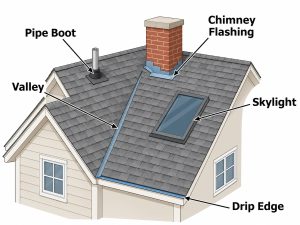
- Pipe boots: These rubber collars wrap around plumbing vents. Look for cracks or splits in the rubber.
- Chimney flashing: Look for gaps where the metal meets the brick or sealant that has pulled away.
- Valleys: Look for leaves or pine needles that may slow drainage.
- Skylights: Look for gaps or rust around the corners.
- Drip edge: Look for sections that have bent or pulled away from the roof edge.
Thick tar smeared over flashing can hide the problem. Ask a roofer whether the flashing can be repaired or needs to be replaced.
Keep a Simple Roof Log
A simple roof log helps you spot changes over time. Keep track of:
- The date of every check or repair
- Photos of the same spots each time, such as the chimney, pipe boots, and valleys
- What was fixed, who fixed it, and what it cost
- Your warranty papers and the year your roof was installed
These records can be useful after a storm or when you sell. Check your warranty paperwork to see whether it calls for maintenance records.
Roof Care Calendar: Who Does What
| When | Who | What to Do |
|---|---|---|
| Spring, after pollen season | Homeowner; professional if cleaning is needed | Check shingles, flashing, gutters, and valleys from the ground. Arrange cleaning if debris is blocking drainage. |
| Fall, after leaves drop | Homeowner; gutter cleaning service as needed | Check flashing and pipe boots with binoculars and arrange gutter cleaning. |
| After a big storm | Homeowner, then a roofer if needed | Walk around the house. Look for missing shingles, dents, and debris. |
| After the next good rain following a repair | Homeowner | Check the ceiling or walls below the repaired area for fresh stains or moisture. |
| Every 1 to 2 years as a starting point | Roofer | Schedule a roof inspection. Ask whether your roof’s age, condition, or warranty calls for more frequent checks. |
When to Call a Pro
Call a roofer if you see:
- Water stains on your ceiling or walls
- Several missing or broken shingles
- A visible sag in the roofline
- Flashing that is loose or rusted through
If your asphalt roof is getting older or you’re unsure when it was last checked, schedule an inspection. Its condition can help you decide what needs attention and how often to have it checked.
Rise Residential Roofing is based in Canton and helps homeowners across Alpharetta, Canton, and nearby North Georgia towns with roof inspections, roof repairs, and gutter repairs. We repair damaged gutters and don’t offer routine gutter cleaning. Call us at 678-772-6995 or contact us online to set up a visit.
Frequently Asked Questions
How often should I get roof maintenance in Alpharetta, GA?
Check from the ground in spring and fall and after big storms. A professional inspection every one to two years is a starting point. Older roofs or roofs with past leaks may need closer attention.
Can I clean my roof with a pressure washer?
Avoid pressure washing asphalt shingles. It can loosen granules and force water underneath them. Ask a roofer about cleaning methods approved by your shingle manufacturer.
What does a professional roof maintenance visit include?
A typical visit may cover the roof surface, flashing, pipe boots, valleys, and visible drainage components. A roofer may also check the attic if it’s accessible and relevant to the issue. Ask what was found and which repairs should come first.
Is it safe to check my own roof?
You can look for visible damage from the ground with binoculars. Leave any checks that require climbing or getting onto the roof to a roofer.
How long do pipe boots last?
It depends on the material, sun exposure, and condition. A pipe boot can wear out before the shingles do. Look for cracks, splits, or gaps around the pipe.
What maintenance steps help my roof last longer?
Keep gutters and valleys clear so water can drain, and have cracked pipe boots, loose flashing, and lifted shingles checked early. If you notice signs of attic moisture or blocked vents, ask a roofer to check the ventilation.