Your gutters have one job. They catch rain from your roof and send it away from your home. When a gutter leaks, sags or clogs, that water goes where it should not. It can soak your fascia boards, stain your siding and pool near your foundation.
Whether you’re looking into gutter repairs in Holly Springs, GA, or gutter repairs in Canton, GA, the first step is finding out why the water isn’t flowing where it should. This guide explains common gutter problems, how they’re repaired and what to check afterward.
Call Rise Residential Roofing at 678-772-6995 to discuss the problem and ask about a gutter inspection.
Common Gutter Problems That Need Repair
Most gutter problems start small. If you catch them early and the surrounding gutter is sound, a targeted repair may be enough. Here are common issues to look for:
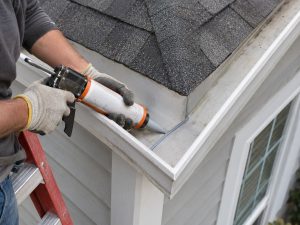
- Leaking seams and corners: Sealant can crack or lose adhesion over time. Water then drips from the joints instead of flowing to the downspout.
- Sagging or loose gutters: Spikes and hangers can work loose, allowing the gutter to pull away from the fascia or droop.
- Holes, cracks and rust spots: Steel gutters can rust. Falling branches can dent or crack gutter sections.
- Poor slope: If a gutter does not slope toward the downspout, water can sit in it. Standing water adds weight and can attract mosquitoes.
- Downspout problems: Elbows can come apart, sections can get crushed, and clogs can stop water from draining.
- Loose or missing end caps: A missing cap lets water spill off the end of the run.
- Overflow during storms: Leaves, pine needles and roof grit can block flow. Overflow can also point to poor slope, an undersized gutter or too few outlets.
In Holly Springs, tall pines and oaks drop needles and leaves on many roofs. Heavy summer storms can wash that debris into gutters and block outlets just when the system needs to handle the most water.
Repair Methods That Fit Your Gutters
Not every gutter needs the same fix. The right method depends on the material, age and extent of the damage.
- Resealing: A leaking seam may be resealed after the failed sealant and dirt are removed and the joint is prepared for a compatible exterior gutter sealant.
- Patching: Small holes in otherwise sound gutters may be patched with compatible materials. Some dissimilar metals can corrode faster when they touch in the presence of moisture.
- New hangers: Loose spikes or damaged hangers may need replacement with supports suited to the gutter profile and the condition of the fascia.
- Re-pitching: A gutter that holds water may need to be reset so it slopes toward the downspout.
- Section replacement: A badly bent or corroded section can sometimes be replaced on its own, provided the surrounding gutter is sound and the new joints can be sealed.
- Downspout repair: Clearing an obstruction, reattaching a loose elbow or replacing a crushed section can restore flow when the rest of the downspout is in good condition.
If water has also damaged the roof edge or fascia, include that damage in the assessment. Repairing the gutter alone may leave the underlying problem in place.
Drainage and Flashing Checks
Gutters, flashing and downspouts work together. A leak near the roof edge can come from a problem above or behind the gutter.
- Drip edge and gutter apron: These metal details help guide water from the roof edge into the gutter. If they are missing, bent or poorly positioned, water can slip behind the gutter and wet the wood.
- Kickout flashing: This piece diverts runoff into the gutter where a sloped roof edge meets a sidewall. Without it, water can run behind the siding.
- Fascia boards: Soft wood can indicate deterioration. Dark staining can point to repeated wetting and is a reason to check the wood’s condition.
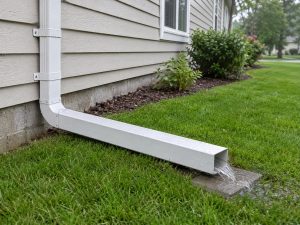
- Downspout discharge: Water should drain away from the foundation to a suitable outlet. In areas with slow-draining clay soil, check whether water pools near the house or runs back toward it.
Gutter Guards Help Repaired Gutters Stay Clear
Leaves and pine needles are common causes of clogs around Holly Springs. A gutter guard sits over the gutter, allowing rain to enter while screening out larger debris.
Guards still need upkeep. Fine grit and small needles can build up on or around some designs, and debris can collect at roof valleys or outlets. If you’re comparing gutter guard options in Canton, GA, consider the trees around your home, how much runoff the gutters carry and how easily the guards can be cleaned.
When a Local Repair Is Not Enough
A spot repair can work well for one bad seam or one loose section. A larger repair or replacement may make more sense when:
- Rust or cracks show up along much of the system.
- Many seams leak at the same time.
- The fascia is rotted along long stretches.
- The gutters overflow in ordinary rain despite clear outlets and proper slope.
- Repairs to the same gutters keep failing.
In these cases, more patches may only delay the bigger fix. Compare the condition of the gutter runs, the fascia and the downspouts before deciding how much to replace. If you’re comparing gutter installation in Canton, GA, or Holly Springs, ask how the proposed system will handle roof runoff and where the downspouts will discharge.
How to Check Completed Work
The final checks should match the repair. For example:
- Water test: Once the sealant has cured as directed, a controlled flow of water can help reveal drips at repaired seams, corners or end caps.
- Flow check: Water should move toward the outlet without significant pooling in the gutter.
- Slope check: If the gutter was reset, verify that the run slopes toward the downspout.
- Hanger check: Repaired sections should be securely supported by sound fascia or another suitable attachment point.
- Downspout check: Water should exit freely and drain away from the house.
- Cleanup: Check that old parts and repair debris have been removed from the work area.
Before-and-after photos can show repairs that are hard to see from the ground. Confirm whether photos or a water test are included in the repair scope.
Contact Rise Residential Roofing About Gutter Repairs in Holly Springs
If your gutters are leaking, sagging or overflowing, note where it happens and whether it occurs during ordinary rain or only during heavy storms. That can help distinguish a leaking joint from a drainage or capacity problem.
For gutter repairs in Holly Springs, GA, call Rise Residential Roofing at 678-772-6995 or contact us online to discuss what you’ve noticed and ask about an inspection.
Frequently Asked Questions
How do I know if my gutters need repair?
Look for drips at seams, gutters that sag or pull away from the fascia, peeling paint on the fascia, or puddles near your foundation after rain. Overflow can also come from a blockage, so identify the cause before deciding on a repair.
How long does a gutter repair take?
A small repair, such as resealing one seam or replacing a few hangers, may take a few hours. Access, the number of damaged sections and sealant cure time can affect the schedule.
Is it better to repair or replace my gutters?
If damage is limited to one or two spots and the rest of the system is sound, a repair may be enough. Widespread rust, leaks or sagging can make replacement the better long-term choice.
Can clogged gutters damage my roof?
Yes. When gutters clog, water can overflow or run behind the gutter and repeatedly wet the fascia and roof edge. Over time, that can damage the wood and contribute to leaks.
Should flashing be checked during a gutter repair?
Yes, when the leak or overflow may involve the roof edge or an adjoining wall. The drip edge, gutter apron and kickout flashing help direct water into the gutter and away from the siding.
Should I add gutter guards after a repair?
Guards can help reduce leaf buildup, especially near pine or oak trees. Choose a design suited to the debris your roof collects and the runoff the gutter needs to handle. Plan to inspect and clean the system as needed.