After severe weather, a storm damaged roof can show obvious problems such as missing shingles or active leaks, but some damage is harder to interpret from the ground. For a homeowner in Cartersville, GA, the practical goal is to document what can be seen safely, understand what those signs may indicate, and know when a closer roof assessment is needed. Rise Residential Roofing serves homeowners in the North Georgia area. Call (678) 772-6995 to discuss a storm-related roofing concern.
Signs Your Home Has a Storm Damaged Roof
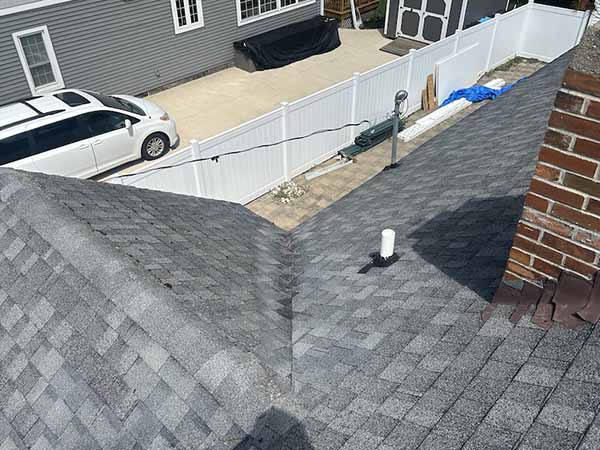
Wind, hail, heavy rain, and falling debris can affect shingles, flashing, roof edges, gutters, and other exposed components. Some signs are visible from the ground, while others only become apparent after water reaches the attic or interior.
Homeowners should avoid climbing onto a storm-damaged roof. Wet surfaces, loose materials, hidden damage, and debris can make the roof unsafe to walk. Rise Residential Roofing’s storm damage guidance for Cartersville provides additional information on documenting conditions and protecting the home after severe weather.
Warning Signs Homeowners Can Observe Safely
- Missing, cracked, creased, or lifted shingles visible from the ground
- Roofing materials or debris in the yard after strong wind
- Granules collecting in gutters or visible bare areas on shingles
- Dented, displaced, or damaged gutters and downspouts
- Water stains, damp areas, peeling paint, or active dripping inside the home
- Visible changes along roof edges, ridges, flashing, or other exposed details
These observations are useful evidence, but they do not establish the full extent or cause of the damage by themselves.
What the Signs Can and Cannot Tell You
| What You Notice | What It May Indicate | What Still Needs Confirmation |
|---|---|---|
| Missing or lifted shingles | Wind may have displaced or loosened roofing material | Whether surrounding shingles, underlayment, or decking were also affected |
| Granules in gutters | Shingle surface wear or impact may have occurred | Whether the loss is storm-related, age-related, localized, or widespread |
| Interior stain or active drip | Water has entered the building envelope somewhere | The actual entry point and how far moisture has traveled |
| Dented or damaged gutters | Impact or severe-weather exposure affected drainage components | Whether the roof covering experienced similar damage |
| Debris on or near the roof | Branches or other objects may have struck the roofing system | Whether shingles, flashing, decking, or structural components were damaged |
Why Prompt Inspection Matters
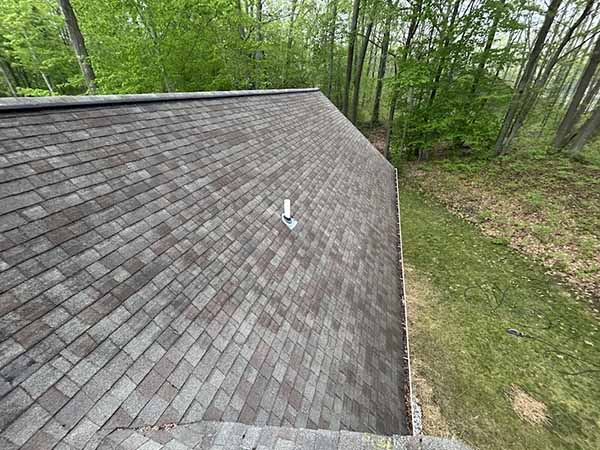
A visible storm sign is a reason to investigate, not a reason to assume the roof needs full replacement. A timely inspection can document the condition of the roof and help determine whether the issue is localized, whether temporary protection is needed, or whether a broader repair scope should be considered.
If the inspection shows limited damage, roof repairs in Cartersville may address the affected area while leaving serviceable roofing in place. More widespread damage, repeated failures, or underlying deterioration may require a broader conversation about the roof’s overall condition.
What a Professional Assessment Should Check
A professional assessment should connect visible signs to the roof areas that may have been affected. Depending on access and conditions, that can include shingles or other roof coverings, flashing, roof edges, ridges, penetrations, gutters and downspouts, and accessible attic or interior areas showing moisture.
The contractor should explain which conditions were directly observed and which remain uncertain. Photographs and written notes can help distinguish visible storm effects from older wear or unrelated conditions without claiming that every mark or leak came from the same weather event.
When to Act Immediately
Active water entry, a visibly sagging ceiling, fallen tree damage, a large opening in the roof, or other signs of possible structural instability call for urgent action. Keep people away from affected interior areas when there is a safety concern, protect belongings from water when it is safe to do so, and arrange professional help rather than climbing onto the roof yourself.
If the roof is not actively leaking and the visible signs are limited, the next step may be a standard inspection rather than emergency work. The important distinction is whether the home is currently exposed to additional damage or presents an immediate safety concern.
Document Conditions for Insurance Conversations
If insurance may be involved, take photographs from safe locations and keep notes about the storm date, visible damage, interior water signs, and any temporary protective work. Policy terms, exclusions, deductibles, and claim procedures vary, so coverage decisions belong to the insurer and the written policy.
Rise Residential Roofing’s insurance claims information provides additional context on organizing documentation and preparing for contractor and adjuster conversations. A roofing assessment can document roof conditions, but it does not determine whether a loss is covered.
Storm Damaged Roof in Cartersville, GA
After a storm, focus first on safe observations and clear documentation. Missing shingles, gutter damage, interior stains, and debris can justify a closer inspection, but the extent and cause of damage should be confirmed before deciding between repair and broader work. Rise Residential Roofing can evaluate residential roofing concerns in Cartersville. Call (678) 772-6995 to discuss the next step.
Frequently Asked Questions
Does every storm-damaged roof need replacement?
No. Localized damage may be repairable, while widespread damage or underlying deterioration may require a broader evaluation.
Can I tell from the ground whether hail damaged my shingles?
Ground-level observations can identify warning signs, but they usually cannot confirm the full extent or cause of shingle damage.
What should I document after a storm?
Photograph visible exterior and interior conditions from safe locations and record the storm date, leaks, debris, and any temporary protective work.
When should I seek urgent help?
Active leaks, major openings, fallen-tree damage, sagging ceilings, or other signs of possible structural instability warrant prompt professional attention.