A new roof is a big project, and most homeowners only go through it once or twice. Knowing what to expect makes the job less stressful. This guide walks you through shingle replacement in Alpharetta, GA, from deciding what to do with the old shingles to checking the finished roof. If you’d rather talk it through, call Rise Residential Roofing at 678-772-6995.
The same basic steps apply whether you live in Alpharetta or need a new shingle roof in Canton, GA. What changes from house to house is the condition of the roof and what the crew finds once the old shingles come off.
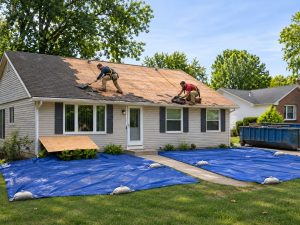
Step 1: Tear-Off or a Second Layer?
The first choice is what to do with your old shingles. There are two options to consider:
- Full tear-off: The old roofing is removed down to the wood deck. This adds labor and disposal costs, but it exposes problems hidden under the old roof.
- Overlay: A second layer may be an option if the existing roof is sound and the proposed system can be installed over it. Confirm that the project meets local requirements and the shingle manufacturer’s installation instructions.
A tear-off makes sense when the deck needs inspection or repair. A second layer adds weight and leaves the deck concealed. It may also affect warranty coverage, so check the manufacturer’s terms before choosing an overlay.
Before work starts, confirm permit and inspection requirements with the City of Alpharetta. The written agreement should say who will obtain any required permit and arrange inspections.
Step 2: Checking the Roof Deck
Once the old shingles are off, the crew can see the deck. This is the layer of plywood, OSB or wood boards that supports the roofing. An exposed deck should be checked for:
- Soft or spongy spots
- Dark stains or rot from old leaks
- Boards that are warped or pulling away
- Loose fasteners or gaps between sheets
Damaged decking needs to be repaired or replaced before new shingles go on. A flat, solid deck gives the shingles an even surface and their fasteners a sound place to hold. Ask how hidden damage will be documented, priced and approved before additional work proceeds.
Step 3: Drip Edge, Underlayment, and Attic Check
Before shingles go on, underlayment provides a second layer of protection if water gets beneath the shingles. A compatible self-adhered leak barrier can add protection in valleys, at eaves and in other vulnerable areas where the roof design calls for it.
Drip edge goes on at this stage, too. On a typical shingle roof, the drip edge goes beneath the underlayment at the eaves, which are the bottom edges, and over it at the rakes, which are the sloped side edges. The exact layering should follow the details for the selected system.
This is also a good time to consider how the roof, insulation and attic airflow work together:
- Insulation: If there are signs of a past leak, check accessible insulation and wood for moisture damage. Address the source of the moisture before replacing damaged insulation.
- Airflow: In a vented attic, check that low intake vents and high exhaust vents are clear and that baffles keep insulation from blocking the soffit vents. Balanced airflow helps manage heat and moisture alongside insulation and air sealing.
Step 4: New Flashing Where It Counts
Flashing directs water away from the places where your roof meets a wall, chimney or opening. Many leaks start at these details.
During a replacement, check how the scope addresses:
- Step flashing where the roof meets a wall
- Chimney flashing and counterflashing
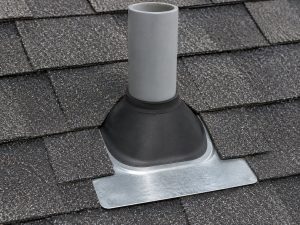
- Pipe boots around plumbing vents
- Valley metal or lining where two roof slopes meet
Bent, rusted or incompatible flashing should be replaced as needed. New flashing must overlap the surrounding materials so water sheds away from the opening. These details matter on a shingle roof installation in Canton, GA, just as they do in Alpharetta.
Step 5: Planning Around Your Home and Yard
A roof job affects more than the roof. Before work starts, discuss:
- Where the dumpster and shingle deliveries will go
- Any HOA rules for shingle colors or styles
- How plants, decks, pools and outdoor equipment will be protected
- Where children and pets can stay away from the work area
- Where to park so vehicles remain clear of deliveries and falling debris
- How exposed areas will be protected if weather interrupts the work
Some straightforward replacements can be completed in one or two days. Larger or steeper roofs, deck repairs and bad weather can add time.
Step 6: Final Checks and Cleanup
The job isn’t done when the last shingle goes on. The final review should cover the finished roof and the areas used during the project. Discuss what the scope includes:
- Checks of the shingle courses, ridge caps and roof edges
- A look at vents, pipe boots and flashing
- Removal of old roofing and loose fasteners from the yard and driveway; a magnetic sweeper can help collect steel nails
- Removal of roofing debris from gutters where applicable
- Photos of the finished roof, if included
- Any required permit inspection
- Written warranty information, including what’s covered and for how long
Ask your roofer to walk the property with you or review the finished work together. It’s a good time to raise any concerns about the roof or cleanup.
Talk to Rise Residential Roofing About Shingle Replacement in Alpharetta
When comparing quotes, check how each one covers tear-off, deck repairs, flashing, ventilation and cleanup. It should be clear what’s included and how unexpected work will be approved. For related information, explore roof replacement, roof repair, metal roofing and insurance claims after storm damage.
If your shingles are curling, missing or showing widespread wear, call Rise Residential Roofing at 678-772-6995 or contact us online to discuss shingle replacement in Alpharetta, GA, and ask about an inspection and quote.
Frequently Asked Questions
How long does shingle replacement take in Alpharetta, GA?
A straightforward replacement may take one or two days. Larger roofs, steep slopes, deck repairs or bad weather can extend the schedule. Ask for a timeline based on your roof and the proposed work.
Do I need a permit to replace my shingles?
Confirm with the City of Alpharetta whether your project needs a permit or inspection. Before work starts, agree in writing on who is responsible for arranging either one.
Can new shingles go over my old roof?
Sometimes. It depends on the existing roof’s condition, the proposed system and applicable requirements. A full tear-off exposes the deck so hidden damage can be found and repaired before new shingles go on.
What happens if the crew finds rotten wood?
Deteriorated decking needs to be repaired or replaced before it’s covered. The agreement should explain how the damage will be documented, how extra work will be priced and how approval will be handled.
Do I need HOA approval before replacing my roof?
That depends on your HOA’s rules. Check for any limits on materials, colors or styles and obtain written approval before work starts if it’s required.
Should I replace my attic insulation during a roof replacement?
Not always. If insulation is wet or damaged, have it assessed and address the moisture source first. It’s also a good time to check whether insulation is blocking soffit vents in a vented attic.
Do I need to be home during the roof replacement?
Confirm access arrangements before the job. You may be able to leave if the crew has the access it needs and can reach you by phone. Move vehicles as agreed, keep pets away from work areas and secure anything that might shake loose indoors.
What warranty comes with a new shingle roof?
A shingle manufacturer’s product warranty and a contractor’s workmanship warranty are separate. Coverage depends on the product and the written terms. Before work begins, ask what each warranty covers, who issues it and whether it needs to be registered.