A few damaged shingles can let water into your home faster than you might expect. The good news is that small roof problems often have small fixes. If the damage is confined to one area and the rest of the roof is sound, a targeted repair may be enough. Whether you’re considering shingle repair in Holly Springs, GA, or shingle repair in Canton, GA, start by finding out what failed and how far the damage extends. If you spot a problem, call Rise Residential Roofing at 678-772-6995 to ask about an inspection.
This guide covers the damage a repair can fix, how common repairs are made, what to check nearby, and when a patch may not be enough.
Common Shingle Damage on Holly Springs Homes
Summer thunderstorms in Cherokee County can bring sudden wind gusts that break the seal on shingles and lift their edges. Here are common problems that may call for a targeted repair:
- Missing shingles: Strong winds can tear shingles off, leaving the layers beneath them exposed to rain and sun.
- Cracked or split shingles: Shingles can become brittle with age, making them more likely to crack.
- Lifted or loose tabs: Once a tab lifts, wind can bend it or drive rain underneath it.
- Curling or cupping in one area: Localized curling can point to age, moisture or another condition that needs a closer look.
- Nail pops: A raised fastener can lift or puncture a shingle and give water a way in.
- Localized hail or branch damage: If only a few shingles are damaged and the surrounding roof is sound, individual replacement may be possible. Widespread storm damage calls for a broader assessment. If you plan to file a claim, keep dated photos and notes about when you noticed the damage.
- Granule loss in patches: Bare spots leave the asphalt more exposed to sunlight and are a reason to check the condition of nearby shingles.
Repair Options That Fit Your Shingle Type
The right roof repair depends on your shingles and the kind of damage. A lifted tab and a cracked pipe boot call for different fixes.
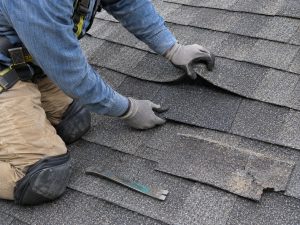
Replacing Damaged Shingles
When the surrounding shingles can be lifted without damaging them, the affected shingle can be removed and replaced. The replacement needs to lie flat and be fastened in the locations specified for the product.
Matching Color and Style
Replacement shingles should match the existing roof’s dimensions and profile as closely as practical. Three-tab and architectural shingles have different profiles, so appearance alone isn’t enough to determine compatibility. Even a new shingle in the original color can look different beside shingles that have faded in the sun.
Resealing Loose Tabs
If a lifted tab is still sound, it may be possible to hand-seal it with a product approved for the shingle. A tab that has creased, cracked or torn may need replacement.
Fixing Nail Pops and Pipe Boots
A nail pop needs a repair that corrects the fastener and addresses any damage to the shingle. A cracked pipe boot may need replacement, with the new flashing fitted into the surrounding shingles so it sheds water.
Sealant has a role where the repair detail calls for it. It won’t correct a damaged shingle or poorly fitted flashing. Whether you live in Holly Springs or own a shingle roof in Canton, GA, the repair should address the part that failed.
Looking Beyond the Shingles: Flashing and Water Flow
A leak doesn’t always start above the stain you see. Water can travel beneath the roof covering, so it helps to look at nearby flashing and how runoff moves across the roof.
Flashing Around Chimneys, Walls, and Vents
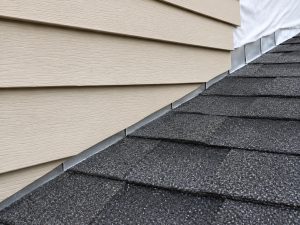
Flashing directs water away from the places where the roof meets a chimney, wall or opening. Loose, rusted or poorly fitted flashing can let water slip behind it.
Roof Valleys and Drip Edge
Valleys are where two roof slopes meet, and they carry runoff from both sides. Debris or damage there can disrupt drainage. The drip edge helps direct water away from the deck and fascia. Check for loose sections or gaps where runoff could get behind it.
Gutters and Downspouts
Pine needles can clog gutters in Holly Springs. When water backs up or runs behind the gutter, it can repeatedly wet the fascia and roof edge. If you notice sagging or leaking joints, see our gutter repair page.
Kickout Flashing
Where the lower edge of a sloped roof meets a sidewall, kickout flashing directs runoff into the gutter and away from the siding. If it’s missing or poorly fitted, water can run behind the siding.
Signs Your Roof Needs More Than a Patch
A spot repair works well for localized damage when the surrounding roof is sound. A broader assessment makes sense if:
- Shingles are curling, cracking or losing granules across much of the roof.
- The decking under the shingles is soft or deteriorated.
- The roof is nearing the end of its expected service life.
- The same area keeps leaking after previous repairs.
- Storm or hail damage covers a large part of a slope.
Patching one area may leave other weak spots in place. Ask for photos or a description of the findings so you can compare a targeted repair with more extensive work or roof replacement.
What to Check Before the Repair Is Complete
Final checks should match the work performed. A review of the repaired area may include:
- Checking that replacement shingles lie flat and overlap correctly.
- Verifying that fasteners are properly placed and covered where the shingle detail requires it.
- Checking that tabs are hand-sealed where the manufacturer’s instructions call for it.
- Reviewing nearby flashing and pipe boots for gaps or loose edges.
- Looking for signs of moisture in accessible attic areas if they are part of the inspection scope.
- Confirming that loose fasteners and repair debris have been removed from the work area.
Before-and-after photos can show details that are hard to see from the ground. Confirm whether photos and a walkthrough are included in the repair scope. After the next heavy rain, look for fresh stains or drips from a safe location inside. If the leak returns, contact the contractor who performed the repair.
Get Your Roof Back in Shape With Rise Residential Roofing
If you’ve noticed missing shingles, a lifted tab or a ceiling stain, note where it appeared and whether it followed a storm. For shingle repair in Holly Springs, GA, contact us online or call Rise Residential Roofing at 678-772-6995 to discuss what you’re seeing and ask about an inspection.
Frequently Asked Questions
How do I know if my roof needs shingle repair?
Look for missing or lifted shingles, bare patches or fresh water stains on the ceiling. Granules in the gutters can indicate wear, but they don’t confirm a leak on their own. An inspection can help identify the cause and whether a repair makes sense.
How long does a shingle repair take?
A small repair may be completed in one visit. Larger repairs, hard-to-reach areas or damage to the decking can take longer. Ask for a timeframe once the repair scope is known.
Can you match my old shingles?
A close match may be possible if a compatible size, profile and color are available. Weathering and discontinued colors can make an exact match difficult, so ask to see the proposed replacement before work starts.
Is it better to repair or replace my roof?
If damage is limited to one area and the surrounding roof and deck are sound, a repair may be enough. Widespread wear, repeated leaks or damaged decking can call for more extensive work. An inspection helps determine the right scope.
How can I tell if a shingle repair was done correctly?
Check that the shingles lie flat, fasteners are covered where required, and the tabs and flashing are secured according to the repair detail. Ask what final checks and documentation are included in the job.
Will a shingle repair stop my roof from leaking?
A targeted repair can stop a leak if it addresses the actual entry point and the surrounding roof is sound. If water is entering at flashing, a pipe boot or a valley, replacing shingles alone may leave the leak unresolved.