One torn shingle, a lifted edge or a drip near a vent can often be repaired without replacing the whole roof. The key is to find what caused the damage, use materials that fit the existing roof and check the area around the repair for other ways water could get in.
If you need shingle repair in Alpharetta, GA, call Rise Residential Roofing at (678) 772-6995 to discuss what you’ve noticed and schedule an inspection. Homeowners looking for shingle repair in Canton, GA, can also contact our team.
What Kinds of Shingle Damage Can Be Repaired?
After a strong storm in Alpharetta, you might find a shingle in the yard or notice a corner that no longer lies flat. If the damage is limited and the surrounding shingles are still sound, a targeted repair may be enough. Common findings include:
- Missing, cracked or torn shingles
- Lifted tabs or isolated curling
- Raised nails pushing up the shingles above them
- Localized granule loss or possible hail damage
- Leaks around pipe boots, vents, chimneys or skylights
These signs don’t all call for the same fix. A missing shingle may need replacement. A drip near a vent may trace back to a cracked pipe boot. And suspected hail damage warrants a look at the surrounding roof before deciding that only a few shingles need attention.
How to Match and Repair Shingles
Matching the Shingle Type
Start by identifying what’s on the roof: a flat three-tab shingle or a thicker architectural shingle. Compare the size, profile and color. Even if the original product is still available, existing shingles may have weathered enough that a new one looks different. For a closer look at the styles, see our guide to choosing a shingle roof in Canton, GA.
Using the Right Repair Steps
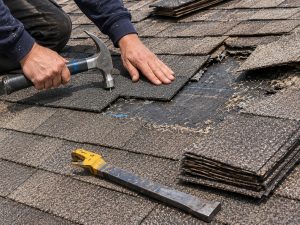
Where the surrounding shingles can be lifted without damage, a roofer can remove the affected shingles and fasteners, fit the replacements, and fasten and seal them according to the manufacturer’s instructions. A surface patch over a torn shingle won’t restore the original overlap that sheds water.
Fixing the Layer Underneath
Sometimes the damage goes deeper than the shingles. Torn underlayment or soft decking may need attention before new shingles go down. If the roofer finds moisture below the surface, the repair scope depends on how far it has spread and what material has been damaged.
Why Flashing and Drainage Matter
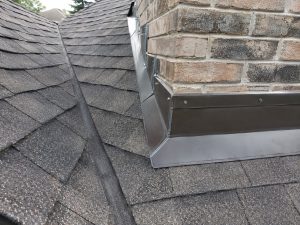
A leak that looks like a shingle problem can start at a nearby chimney, pipe or wall. Flashing directs water away from those joints, and a cracked pipe boot can let water in even when the surrounding shingles are intact. Areas worth checking include:
- Loose, bent or corroded flashing around chimneys and skylights
- Cracked collars around plumbing vents
- Gaps where a roof slope meets a wall
- Split or separated sealant where the flashing detail relies on it
Look at drainage around the damaged area, too. Debris in a valley can slow runoff, and an overflowing gutter can send water behind the roof edge. If water is backing up near the repair, finding out why helps prevent the same problem from returning.
What a Local Repair Can and Can’t Do
A spot repair addresses damage in one area. Its value depends on the condition of the rest of the roof. A broader assessment makes sense if:
- Shingles are brittle or curling across several slopes.
- Granule loss is widespread.
- Leaks keep appearing in different places.
- The deck shows signs of sagging or deterioration.
- Nearby shingles are too brittle to lift without causing more damage.
Ask which areas can be repaired and which would still need attention afterward. That helps you compare the cost and usefulness of a spot repair, a section repair or a full replacement.
How to Check the Finished Repair
The final check should focus on what failed. Replacement shingles should sit flat, with the correct overlap and fastening for the product. Nearby flashing should be secure, and any exposed repair materials should be checked against the manufacturer’s detail.
For a hard-to-trace leak, a roofer may use a controlled water test if conditions are suitable. Before-and-after photos can help document a repair you can’t see from the ground. After the next heavy rain, check the original stain or drip location from indoors. If you see fresh moisture, note where it appeared and when, then contact your roofer.
Schedule Shingle Repair in Alpharetta, GA
If you see a missing shingle, a new ceiling stain or damage after a storm, an inspection can help you find out whether the problem is isolated or needs a larger repair. Call Rise Residential Roofing at (678) 772-6995 to schedule an inspection in Alpharetta, GA.
Frequently Asked Questions
How do I know if my roof needs a repair or a replacement?
A repair may be enough when the damage is limited and the surrounding roof is sound. Widespread wear, repeated leaks or damaged decking may call for a larger repair or replacement.
Can you match my old shingles?
A roofer can look for a replacement with a compatible size and profile and the closest available color. Discontinued products and weathering can make an exact visual match difficult.
How long does a shingle repair take?
It depends on roof access, weather, material availability and what’s damaged. Replacing one shingle is a different job from opening a section to repair flashing or decking.
Will my homeowners insurance pay for shingle repair?
Coverage depends on your policy, deductible and the insurer’s assessment of the cause. Rise Residential Roofing can document visible storm damage. Photos can support your conversation with your insurer, which determines whether the repair is covered.
Is it okay to wait to fix a missing shingle?
Arrange an inspection promptly. A missing shingle leaves the area below it more exposed to wind-driven rain and further damage.
Do you check the attic during a leak repair?
An attic check can help trace a leak when the area is safely accessible and the visit includes interior access. Mention any stains or active drips when you schedule so the roofer knows where to look.