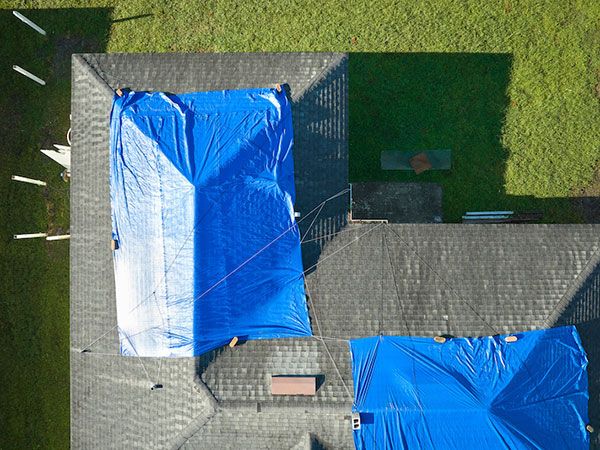
Cartersville roofs face changing weather throughout the year, including spring hailstorms, prolonged summer heat, fall winds, and occasional winter freezes. Roof damage in this region can result from a single storm or accumulate across seasons. Rise Residential Roofing helps Cartersville homeowners identify and repair damage before it compounds. Call us at (678) 772‑6995 for roof damage in Cartersville, GA.
Each Season Leaves a Different Kind of Roof Damage in Georgia
Homeowners may think of roof damage as a single event, such as a storm that tears off shingles or a falling tree branch that damages the decking. In Bartow County, damage can also develop gradually. Each season places stress on the roofing system, and unrepaired damage from one season may worsen in the next. Understanding these patterns helps homeowners identify problems while they are still small.
Spring Storms Can Worsen Existing Roof Damage
Spring in northwest Georgia can bring severe thunderstorms and hail. Hail does not always leave obvious holes, but impacts can damage shingles and dislodge protective granules. Damage that appears minor may worsen over time and increase the risk of leaks, making a professional assessment useful after a significant storm.
Wind during spring storms can lift shingle edges and break the adhesive seal that helps hold them in place. Once a shingle tab is unsealed, later wind events can cause further damage. If a homeowner notices a missing shingle, the exposed underlayment may also require inspection for damage.
Summer UV and Fall Debris Compound the Roof Damage Cycle
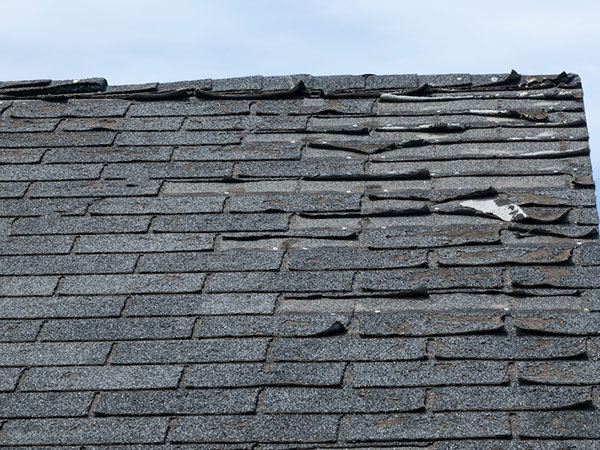
Summer heat can raise attic and shingle temperatures, contributing to the aging of roofing materials. As asphalt shingles age, they may become more brittle. Thermal cycling occurs as the roof heats during the day and cools overnight, repeatedly causing materials to expand and contract throughout the summer.
Fall brings wind events and leaf accumulation. Leaves that settle in valleys and around penetrations can hold moisture against the roof surface and interfere with drainage. In areas with substantial tree cover, regular debris removal helps limit that exposure. Algae can discolor shingles, while moss can retain moisture and interfere with drainage. Existing shingle damage combined with prolonged moisture exposure can increase the risk of leaks.
Winter Can Worsen Existing Roof Damage
Georgia winters are mild compared with those in northern states, but freezing nights in Bartow County can still affect a vulnerable roof. Water in existing cracks can freeze and expand, potentially worsening damage. Clogged gutters and ice at the eaves can also obstruct drainage. Addressing storm damage and drainage problems before winter helps limit further moisture exposure during cold weather.
Seasonal weather can worsen existing damage, so homeowners can identify developing problems by monitoring roof condition and arranging professional inspections when needed. Timely attention to missing shingles, drainage problems, and visible leaks helps prevent damage from spreading. For roof damage in Cartersville, GA, contact Rise Residential Roofing at (678) 772‑6995 today.
FAQ
How long after a storm can you file a roof damage claim in Georgia?
Claim deadlines and reporting requirements vary by policy. Contact your insurer promptly after discovering damage and check your policy for applicable deadlines.
Does homeowners insurance cover all types of roof damage?
Insurance typically covers sudden damage from storms, hail, and fallen trees. It usually does not cover gradual wear, deferred maintenance, or damage that accumulated over multiple seasons without a specific triggering event.
What should I document before calling a roofer after a storm?
Photograph the roof from the ground, any visible debris or missing shingles, and any interior water stains or drips. Note the date and approximate time of the storm. That documentation helps both the roofer and the insurance adjuster.