A metal roof can last for decades, but the panels are only one part of the system. How they’re attached, what goes beneath them and how the flashing handles water and movement all affect how well the roof holds up.
If you’re planning metal roof installation in Acworth, GA, this guide explains each part of the job in plain words. The same details are worth comparing if you’re planning metal roof installation in Canton, GA. Have a question about your project? Call Rise Residential Roofing at 678-772-6995.
Why Metal Roofs Make Sense in Acworth
Acworth is known as the “Lake City.” Near Lake Acworth and Lake Allatoona, many homes have tall trees that drop leaves and pine straw on the roof. Add hot summers and spring storms, and a metal roof can be a practical choice. The panels don’t rot, and a well-designed roof sheds rain while directing runoff away from vulnerable joints and openings.
Still, a metal roof is a system. Every piece has a job.
1. The Panel System
Standing seam panels have raised seams that typically run from the top of the roof to the bottom. Depending on the profile, the seams snap together or are folded shut with a seaming tool. See our metal roofing page for more about these systems.
Exposed fastener panels, including many ribbed and corrugated profiles, overlap side by side. Screws pass through the face of the metal. These systems generally cost less up front, though installation time and cost depend on the roof layout and panel system.
For steel panels, a lower gauge number generally means thicker metal. Residential standing seam panels are often available in 24 or 26 gauge. Some exposed fastener panels are available in 29 gauge. Check the specifications for the product you’re considering.
2. Concealed vs. Exposed Fasteners
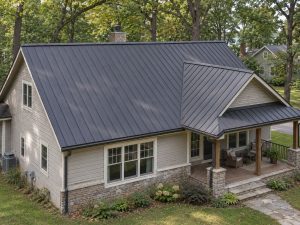
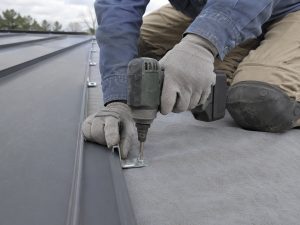
In a clip-fastened standing seam system, clips sit beneath the seams and hold the panels down. The screws that secure those clips are hidden beneath the panels. That leaves fewer exposed screw holes across the main roof surface, although some trim details may still use visible fasteners.
Exposed fastener roofs use screws with sealing washers that pass through the panel. Sun and weather can wear down those washers. Regular checks can catch loose screws and damaged washers before water gets in.
- Concealed fasteners: Typically higher upfront cost, with fewer exposed screws and washers to maintain.
- Exposed fasteners: Typically lower upfront cost, with regular checks of exposed screws and washers.
3. How Panels Attach to the Roof
On many homes, metal panels are installed over a solid deck of plywood or OSB. The deck, fasteners and attachment layout need to suit the selected system.
In a clip-fastened standing seam system, the fixed point holds the panel at a designated location. Where the system uses floating clips, they let the panel slide lengthwise as it heats and cools.
Clip spacing depends on the panel system, the roof’s design wind loads and the part of the roof. Edges and corners can face higher wind loads than the middle. The attachment layout should follow the system’s installation instructions and project requirements.
4. Underlayment: The Layer You Don’t See
Underlayment provides backup protection if water gets beneath the panels. Metal gets hot in the Georgia sun, so the underlayment needs to suit the panel system and the temperatures it will face. Some systems specify a high-temperature synthetic underlayment or a compatible self-adhered membrane at valleys and eaves.
Some manufacturers also specify a slip sheet to help the panels move without binding against the layer below. Underlayment and attic moisture control serve different purposes. Where the attic is vented, clear intake and exhaust paths help manage heat and moisture.
5. Flashing: Where Many Leaks Start
Flashing is the metal trim that directs water away from eaves, rakes, ridges, valleys, walls and pipes. Even with good panels, a roof can leak if the flashing is poorly fitted. Good flashing:
- Overlaps in the direction water flows.
- Fits the panel profile and uses compatible materials.
- Uses closures where specified to help keep out wind-driven rain and pests.
- Leaves room for panels to move where the system calls for it.
On wooded Acworth lots, keeping valleys clear of pine straw helps runoff reach the roof edge. If your current roof already has trouble spots, see our roof repair page for related information.
6. Thermal Movement: Why Metal Needs Room to Grow
Metal expands when it’s hot and contracts when it’s cold. Longer panels move more over the same temperature change, and aluminum generally expands more than steel. A dark roof in direct sun can reach a much higher temperature than the surrounding air.
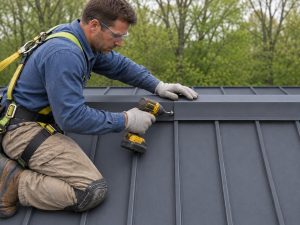
If a panel can’t move as designed, it can put stress on fasteners, seams or ridge trim. Restraint can also contribute to oil canning, the visible waviness in the flat part of a panel. Sliding clips, trim details that allow movement and suitable panel lengths help the roof accommodate those changes. Check the panel maker’s instructions for maximum panel lengths and any required expansion details.
Get Your Metal Roof Done Right
When comparing quotes for metal roof installation in Acworth, GA, or metal roof installation in Cartersville, GA, check which panel system, attachment, underlayment and flashing each proposal includes. Ask for the written warranty terms and confirm what the system requires for coverage.
Call Rise Residential Roofing at 678-772-6995 or visit our contact page to discuss your roof and ask about an assessment and quote.
Frequently Asked Questions
How long does metal roof installation take in Acworth, GA?
The schedule depends on roof size, pitch, panel type and weather. Tear-off, deck repairs and complex flashing can add time. Ask for a schedule based on your roof and the proposed work.
Can a metal roof go over my old shingles?
Sometimes. It depends on the condition of the existing roof, the proposed system and applicable requirements. A tear-off exposes the deck so hidden damage can be found and repaired before the metal goes on.
Is a metal roof loud when it rains?
Rain noise depends on the whole roof assembly. Solid decking, underlayment, attic insulation and the ceiling all affect how much sound reaches the rooms below.
Which is better, concealed or exposed fastener metal roofing?
Concealed fasteners are worth considering if you want fewer exposed screws and washers to maintain. Exposed fastener panels can be a practical choice where upfront cost matters and the system suits the roof’s slope and use.
What can void a metal roof warranty?
Warranty terms vary. Unapproved underlayment, incorrect clip spacing or incompatible components can affect coverage. Ask for the terms in writing and check whether registration is required.
Does a metal roof raise or lower my home insurance?
Ask your insurer how the specific roof system could affect your premium, coverage and deductibles before choosing a product. Don’t assume a metal roof will qualify for a discount.