You’ve decided your roof needs new shingles. The next question is what the work will actually involve. Many homeowners only see a crew arrive and a new roof a day or two later, and they don’t know what happens in between. A good shingle replacement in Acworth, GA is more than new shingles on top. It includes the wood deck, the flashing, the airflow in your attic, and the cleanup in your yard.
Homeowners comparing shingle roof options in Canton, GA face many of the same decisions. This guide walks through each step, so you’ll know what to expect and what questions to ask any roofer you hire.
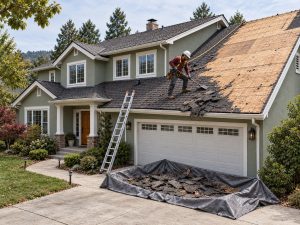
Step 1: Before Work Starts
Some of the work happens before the crew ever shows up. Good planning keeps replacement days smooth for you and your neighbors.
Before work begins, confirm:
- Whether a permit is required and who will obtain it
- Whether your neighborhood requires HOA approval
- Where the dumpster or trailer will go and how the driveway will be protected
- When to move cars and keep pets inside
- How the forecast may affect the start date
The protection plan should address shrubs, AC units and patio furniture. The crew should also plan how to keep exposed roof areas watertight if weather interrupts the work.
Step 2: Tear-Off or a Second Layer?
Before installation begins, the big choice is whether to remove the old shingles or lay new ones over them.
Full tear-off means the crew strips the roof down to the wood. This lets the roofer see the deck, fix hidden damage, and start with a clean base.
A second layer, or overlay, is sometimes an option. Eligibility depends on the existing layer count, roof condition, structural capacity, applicable code and the shingle manufacturer’s requirements. An overlay should not conceal damaged decking or unsuitable existing roofing.
Overlays can cost less at the start, but they add weight and can hide problems underneath. They may also affect eligibility for certain manufacturer warranties. Ask your roofer to explain whether your home qualifies and how each option affects the proposed warranty.
Step 3: Checking the Roof Deck
The deck is the wood base beneath the roofing materials. After tear-off, it should be checked for rot, soft areas, damaged panels and unsuitable fastening surfaces.
Damaged decking needs repair or replacement before the new roofing goes down. Your estimate should explain how hidden damage will be documented, how replacement decking is priced and how additional work will be approved.
A sound, properly secured deck gives the underlayment and shingles the base they need.
Step 4: Underlayment and Leak Barriers
Before shingles go on, the deck gets covered with underlayment. This is a water-resistant layer that acts as a backup if water gets under a shingle.
Self-adhering leak barriers may be required at vulnerable locations, such as valleys and certain roof transitions, depending on the roof design, applicable code and manufacturer’s instructions. These products help seal around fasteners and provide added protection where water intrusion is a concern.
These are also important details to compare when reviewing a proposal for shingle roof installation in Canton, GA.
Step 5: Attic Airflow and Insulation
Your roof and your attic work as a team. In a vented attic, poor airflow and indoor air leakage can contribute to heat and moisture buildup.
During replacement, the assessment should consider:
- Intake vents at the soffits, which allow outside air in
- Exhaust vents at or near the ridge, which allow air out
- Insulation that may be blocking soffit vents
- Air leaks from the living space into the attic
If ventilation or insulation improvements are needed, have them included in the written scope. Unvented attic assemblies need a different approach, so adding vents is not the right answer for every home. Energy performance depends on the complete attic and roof assembly.
Step 6: New Flashing Where It Counts
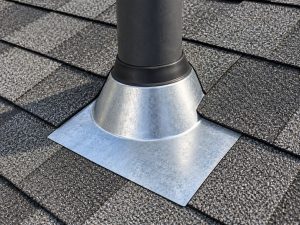
Flashing seals roof joints and transitions. These areas deserve close attention because failures can let water beneath an otherwise sound shingle roof.
The scope should identify which flashing components will be replaced, repaired or retained:
- Drip edge along the eaves and rakes
- Step flashing where the roof meets a wall
- Chimney flashing, including counterflashing
- Pipe boots around plumbing vents
- Valley flashing appropriate to the roof system
Old, rusted or damaged flashing should not be left in place simply to save time. Any retained flashing needs to be suitable for the new roof and installed according to the applicable requirements.
Step 7: Cleanup and Final Checks
The job isn’t done when the last shingle is nailed. The agreed closeout process should include:
- Debris removal and a magnetic sweep of accessible yard and driveway areas for nails
- Checks of shingles, flashing, vents and roof edges
- Removal of roofing debris from gutters
- Photos of completed work if included in the agreement
- A final review of the work and any outstanding items
- Applicable warranty documents and registration information
If a city or county inspection is required, confirm who will schedule it and address any corrections. A magnetic sweep reduces loose nails, but homeowners should still watch for remaining debris after the work.
Ready to Get Started?
A new roof is a big investment, so the work underneath matters as much as the shingles on top. If you’re planning a shingle replacement in Acworth, GA, contact Rise Residential Roofing to discuss your project. Ask for a written proposal covering deck repairs, underlayment, flashing, attic ventilation, cleanup and applicable warranty terms.
Frequently Asked Questions
1. How long does a shingle replacement take in Acworth, GA?
Many straightforward replacements take one to two days. Larger roofs, steep slopes, weather or extensive deck damage can add time. Ask for a project-specific schedule.
2. Can new shingles go over my old roof?
Sometimes. The existing layer count, roof condition, structural capacity, applicable code and manufacturer’s requirements determine whether an overlay is suitable. A full tear-off allows the deck to be inspected more thoroughly.
3. What happens if you find rotten wood?
Damaged decking should be documented and replaced before the new roofing is installed. Your agreement should explain the pricing and approval process for hidden damage.
4. Do I need to be home during work?
Not always. Confirm access arrangements, communication preferences and whether the crew needs an outdoor power source. Move vehicles and discuss pets, gates and driveway access before work begins.
5. Will my yard be messy after the job?
Roof replacement creates debris, so the contract should cover property protection, disposal, gutter cleanup and a magnetic nail sweep. Review the cleanup arrangements before work starts.
6. Do I need a permit for a new roof in Acworth?
Permit requirements depend on the property’s jurisdiction and the scope of work. Confirm requirements with the building department responsible for your address, and have the contract identify who will obtain any required permit and arrange inspections.