Cartersville, GA sees a rough mix of summer heat, thunderstorm hail, and long humid stretches that quietly wear down every shingle roof in Bartow County. At some point, one more repair is not the right answer. A re-roof puts a clean, warrantied system back over the house and stops the cycle of patchwork. Call Rise Residential Roofing at (678) 772-6995 for Re-roof in Cartersville, GA.
2 Condition Signals That Point to a Re-Roof
A re-roof decision is made by evidence, not age alone. Two sets of eyes usually inform the call. A homeowner spots the visible signs from the yard and in the gutters. A professional inspector confirms what is happening in places the homeowner cannot see. When both sets of signals point the same direction, replacement is the right next step instead of another repair.
The signals stack. One missing shingle is a repair. Granule loss across the roof plus soft spots in the decking plus repeated leaks in the same area is a replacement pattern. The rest of this article walks through what each set of eyes is looking for.
What a Homeowner Can Spot From the Ground
Several signs are visible without climbing a ladder. Granules building up at the bottom of downspouts mean the shingles are shedding their protective coating. Curled or cupped edges indicate heat damage and end-of-life warping. Dark streaks that will not wash off, missing tabs after a storm, and areas where the roofline sags are all clear signals.
Inside the house, water stains on ceilings, peeling paint at the top of interior walls, and daylight visible in the attic point to the same conclusion. A homeowner who sees three or more of these at once should schedule a professional assessment rather than another spot repair.
What an Inspector Flags for a Re-Roof?
An inspector’s job is to see what the homeowner cannot. That includes the decking under the shingles, the underlayment, the flashings around penetrations, and the moisture content in the attic. Nail pops across a broad area, popped seals on adhesive strips, and rusted flashing all point toward system-wide failure rather than a localized fix.
A thermal or moisture scan of the roof surface finds wet insulation and hidden leak paths. Soft decking felt through boot testing means the deck itself needs replacement in those areas. When an inspector documents these findings on multiple planes of the roof, the report supports a full replacement rather than continued patching.
What a Re-Roof Looks Like From First Visit to Final Walk
The process starts with the inspection above and a written scope of work. Material selection comes next, informed by the report and homeowner preference. Permit pull and material staging happen in the days before the crew arrives.
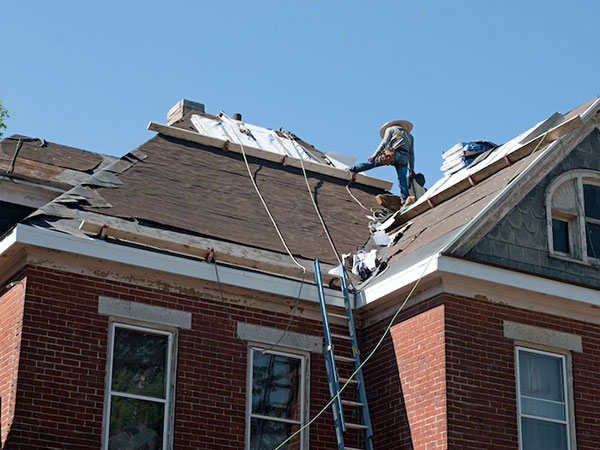
On install day, the crew tears off the failing roof to the deck, checks and replaces damaged decking, installs new underlayment and drip edge, sets new flashings, and lays the new shingles or panels. A final inspection and cleanup close the job. Most Cartersville projects finish in one to three days depending on size and complexity. The homeowner receives a written warranty on both the material and the workmanship at closeout.
A Re-Roof in Cartersville Starts With an Honest Inspection
The evidence-based path is the right one. A homeowner who is seeing several of the ground-level signals above deserves a written inspection that either supports another repair or supports a re-roof.
For Re-roof in Cartersville, GA, contact Rise Residential Roofing at (678) 772-6995 today.
FAQ
Will my homeowners insurance help pay for a re-roof after a storm?
Insurance covers replacement when the damage is storm-related and documented. Age-related wear is not usually a covered loss, so timing and documentation matter.
Can I stay in my house during a re-roof?
Yes. The work happens outside and most homeowners stay through the project. Expect noise during tear-off and install hours.
What time of year is best for a re-roof in Georgia?
Late fall through early spring gives crews cooler temperatures and stable weather. Summer projects are common as well and finish faster in dry stretches.