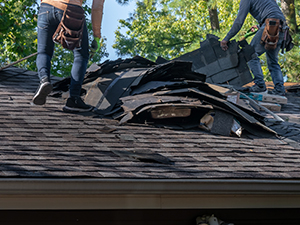
A storm damaged roof situation needs quick and careful action in the first 24 to 72 hours after severe weather. In Canton, GA, wind, hail, heavy rain, and falling limbs can damage shingles, flashing, gutters, and other roofing components, sometimes without obvious signs from the ground. Rise Residential Roofing helps homeowners respond correctly after a storm so they can reduce further damage, document the condition of the roof, and avoid common mistakes that can complicate repairs.
If you are dealing with a storm damaged roof issue, Rise Residential Roofing can help you take the right steps before water intrusion and hidden damage become more serious. Homeowners in Canton, GA should act quickly, document everything clearly, and arrange a professional roof inspection as soon as possible. Call (678) 772-6995 to schedule service with Rise Residential Roofing today.
Storm Damaged Roof in Canton, GA: Homeowner Checklist
The first 24 to 72 hours after a storm are especially important. Even if the roof appears mostly intact from the ground, wind-driven rain, lifted shingles, dented flashing, and impact from branches can all create openings that let water into the roofing system. Taking the right steps early can help limit interior damage and make the repair process smoother.
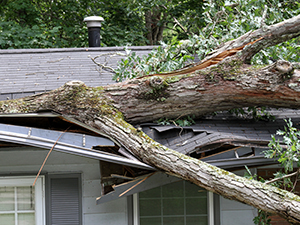
What to Do in the First 24 to 72 Hours
The first priority after a storm is safety. Do not climb on the roof to inspect it yourself. Storm damage can leave roofing surfaces slick, unstable, or weakened in places that are not visible. A safer approach is to inspect from the ground and look inside the home for signs of damage.
During the first 24 hours, walk around the property and look for missing shingles, damaged gutters, fallen branches, dented flashing, or pieces of roofing material in the yard. Inside the home, check ceilings, upper walls, and attic spaces for water stains, damp insulation, dripping water, or peeling paint. These early signs may point to storm damage that has already allowed water into the roofing system.
Within the next 48 to 72 hours, temporary protection may be needed if active leaking is present. Buckets, towels, and moving valuables away from affected areas can help reduce interior damage. If part of the roof is exposed, professional tarping may be necessary to keep additional rain out until repairs can be completed.
Damage Documentation Matters
Clear documentation is one of the most important steps after storm damage. Good records help show the condition of the roof and surrounding areas before cleanup or repair begins.
Take photos and videos of all visible damage from the ground, including missing shingles, damaged flashing, fallen tree limbs, gutter damage, and debris impact. Inside the home, document ceiling stains, leaks, wet insulation, and any damaged belongings. It is also helpful to note the date of the storm, when you first noticed the damage, and which rooms were affected.
Detailed documentation creates a clear record of what happened and helps support the inspection and repair process. The more organized the information is, the easier it is to understand the extent of the problem.
Common Mistakes to Avoid
One of the most common mistakes homeowners make is waiting too long to respond. Even minor storm damage can allow water to enter the roof system and spread into decking, insulation, drywall, and framing. Another common mistake is assuming there is no serious issue just because a leak is not immediately visible inside the home.
Homeowners should also avoid getting on the roof themselves after a storm. This creates unnecessary safety risks and may lead to overlooked damage if the inspection is rushed or incomplete. Another mistake is cleaning up debris or discarding damaged materials before taking photos. Once evidence is removed, it becomes harder to show the original condition of the property.
It is also important not to rely on a quick visual guess from the ground alone. Some types of storm damage, including lifted shingles, loosened flashing, and punctures, may not be obvious without a professional inspection.
Storm Damaged Roof in Canton, GA
A storm damaged roof problem should be handled quickly, carefully, and with good documentation during the first 24 to 72 hours. Rise Residential Roofing helps homeowners in Canton, GA identify storm damage, protect the home from further water intrusion, and avoid costly mistakes after severe weather.
For professional help with storm-related roof damage in Canton, GA, contact Rise Residential Roofing at (678) 772-6995 today.
FAQ
What should I do first after storm damage to my roof?
Start with safety. Stay off the roof, inspect from the ground, and check inside for leaks, ceiling stains, or attic moisture.
How soon should I document storm roof damage?
Document it as soon as it is safe to do so. Take photos and videos within the first 24 to 72 hours before cleanup or temporary repairs change the condition.
Can a storm damaged roof have hidden problems?
Yes. Storm damage can loosen shingles, flashing, or underlayment without causing immediate visible leaks inside the home.